Seattle-Tacoma International Airport (SEA) utilizes a distinctive arrivals and customs procedure that differs from most US hubs. To help smooth your journey, here is an essential step-by-step guide detailing the transit and entry procedures through SEA’s cutting-edge International Arrivals Facility (IAF).
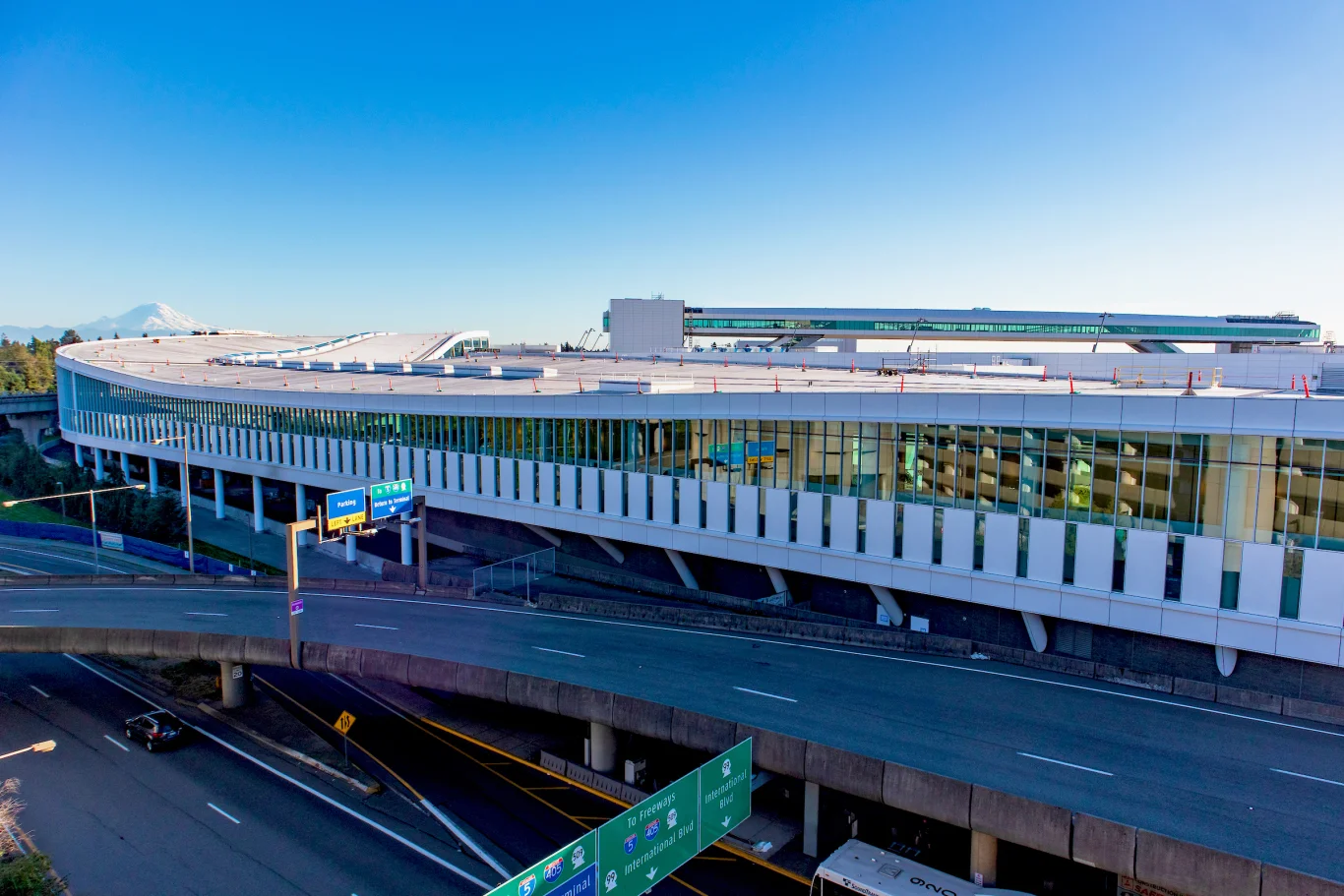
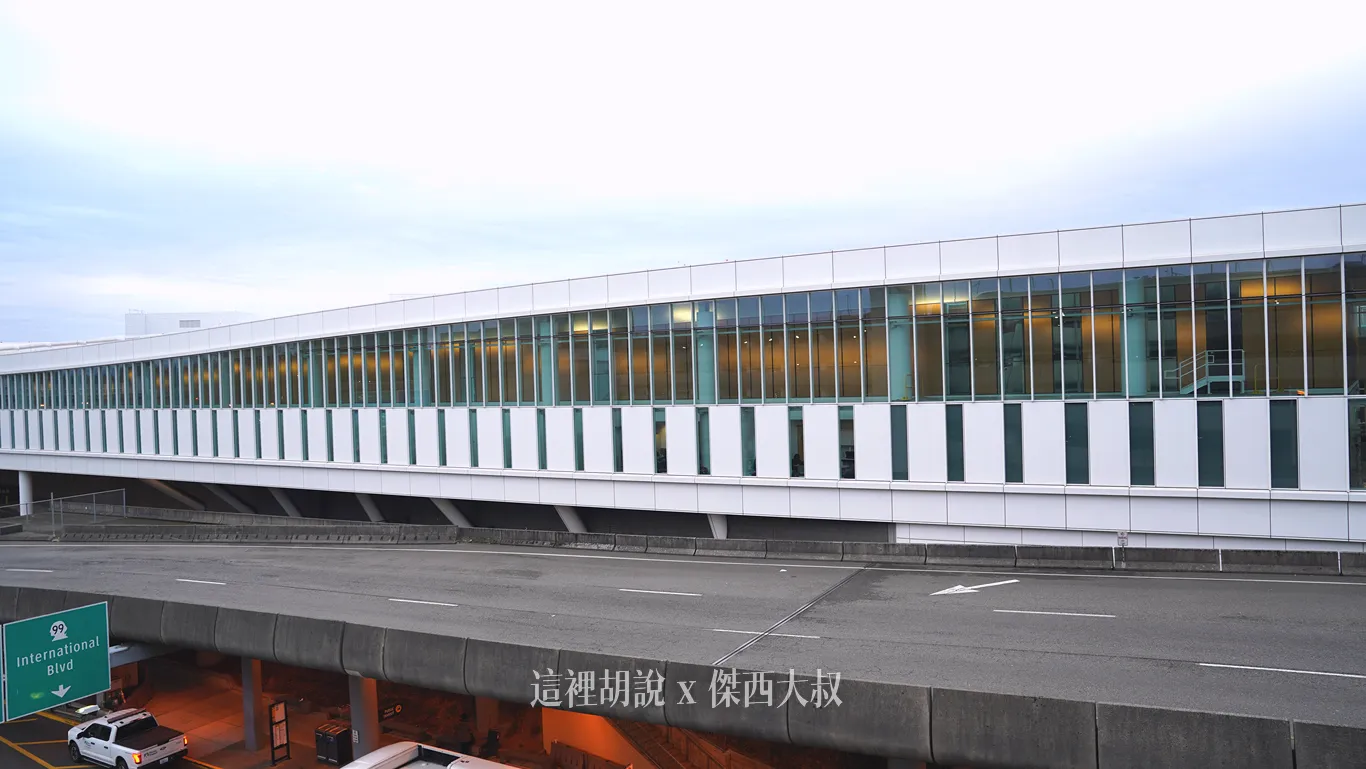
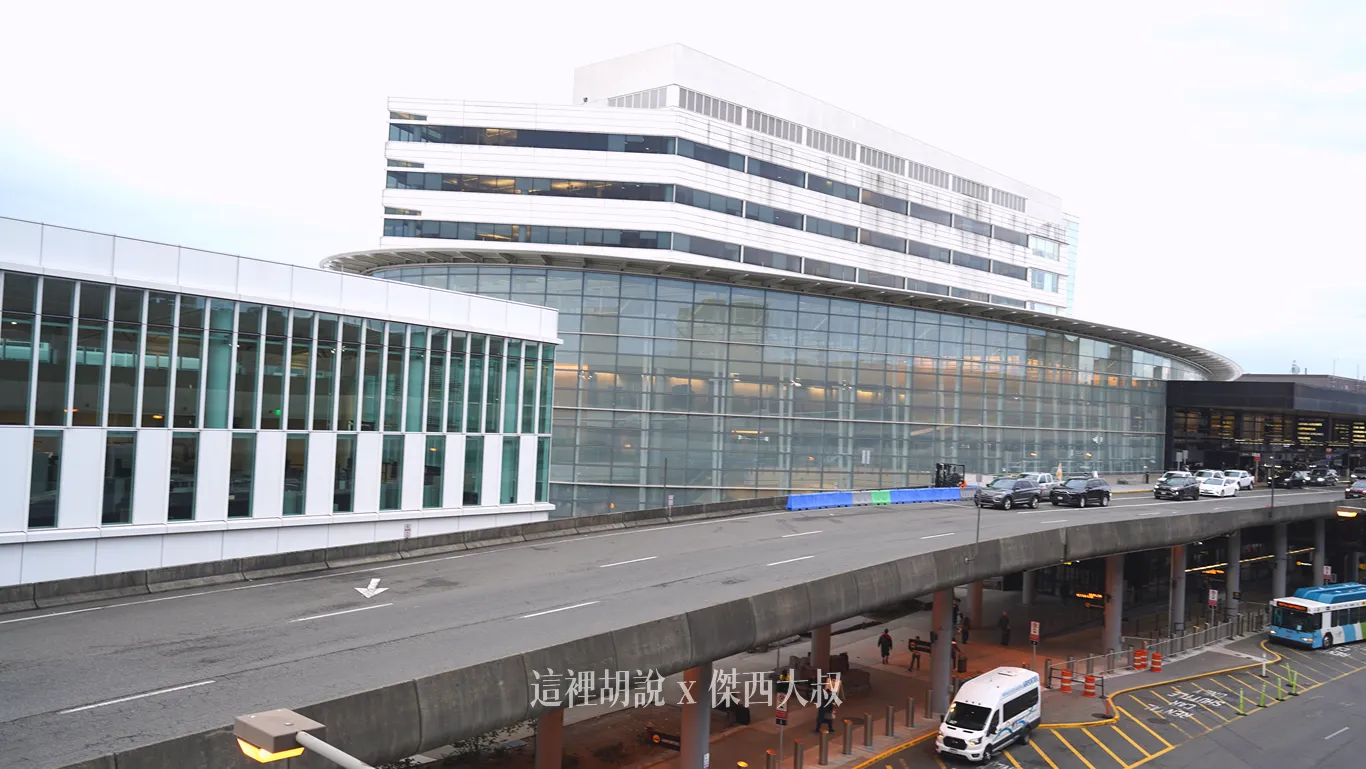
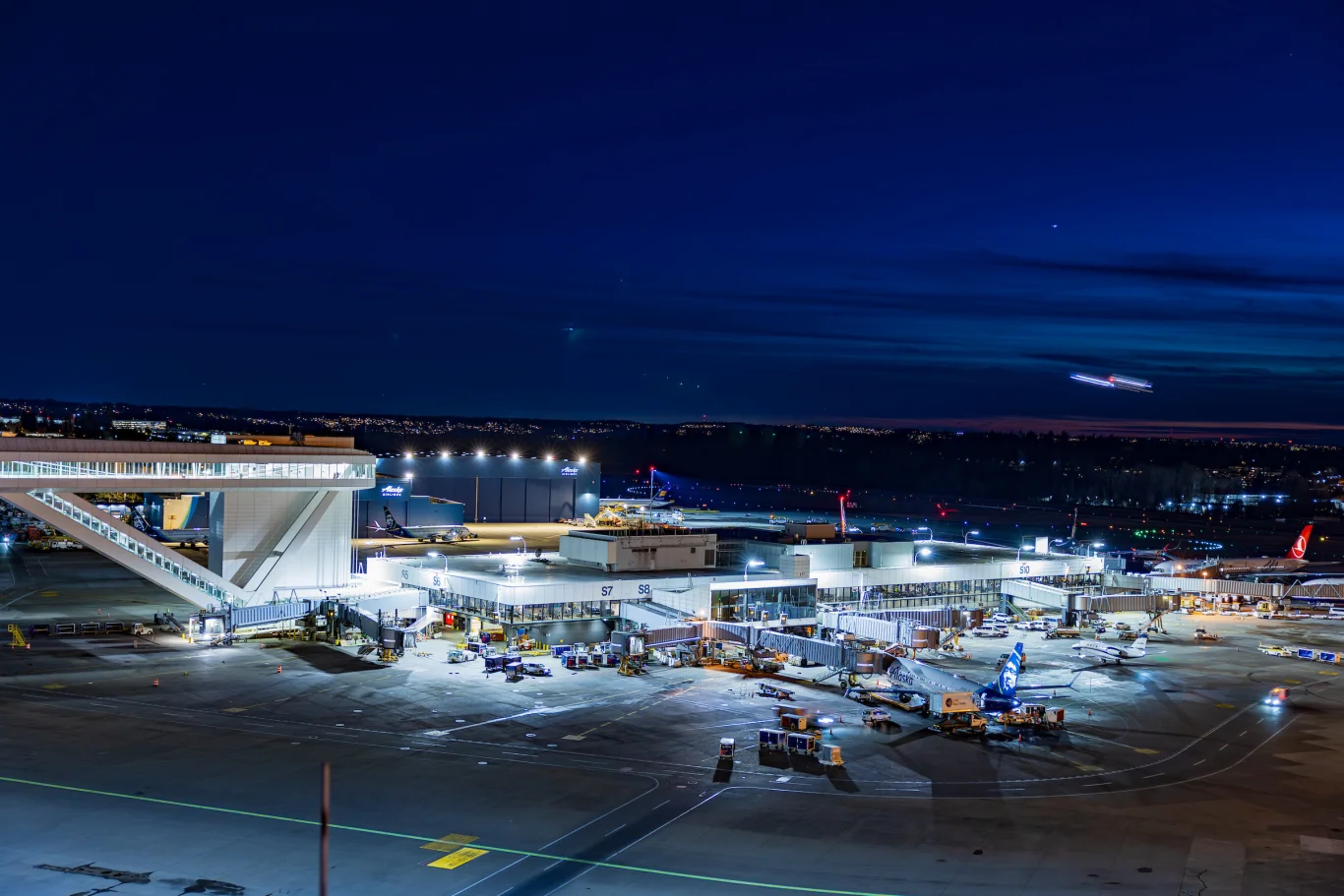
The International Arrivals Facility (IAF) is located within this newly constructed modern complex. Photo / Port of Seattle
Navigating through the arrival concourse corridors toward border control at SEA.
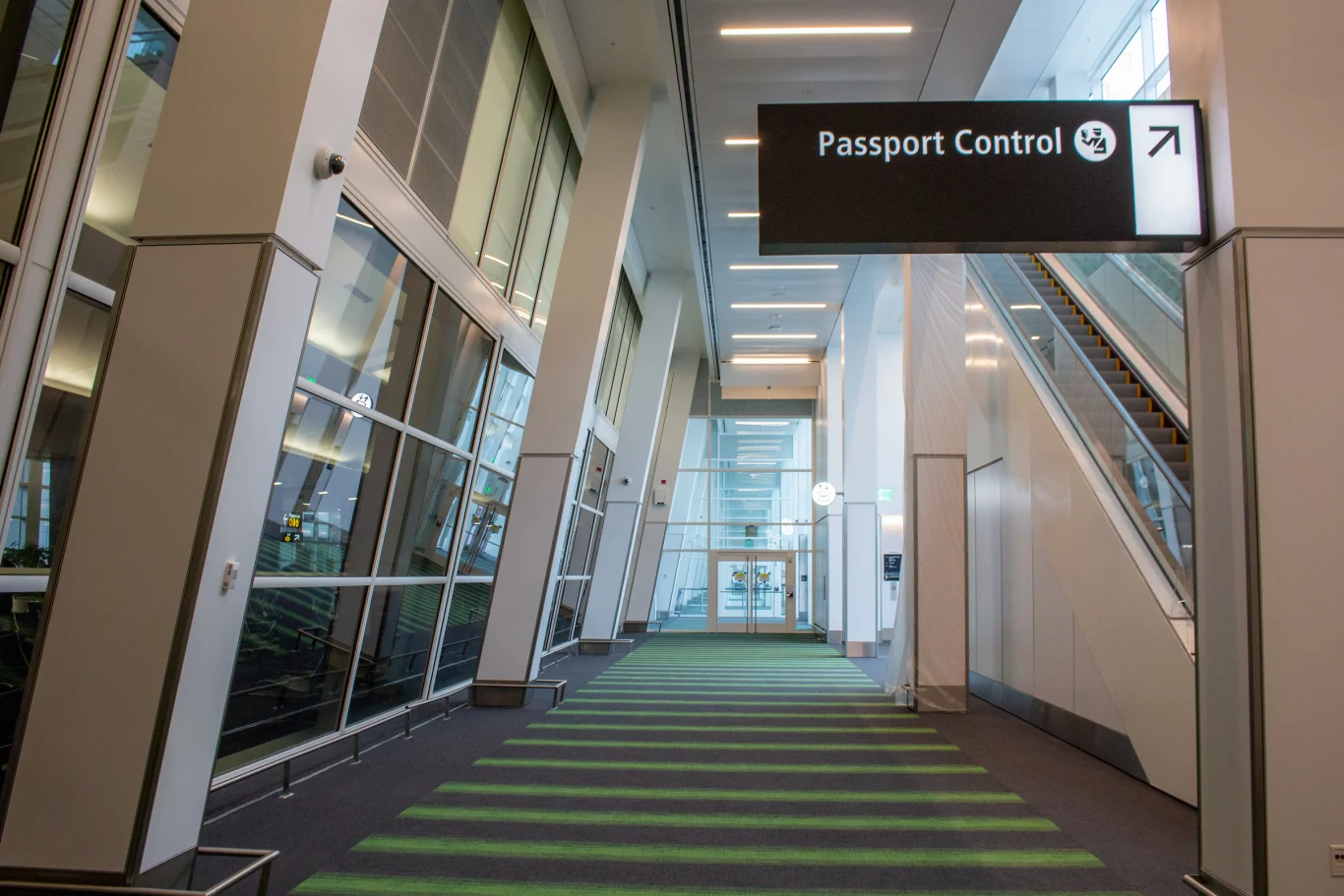
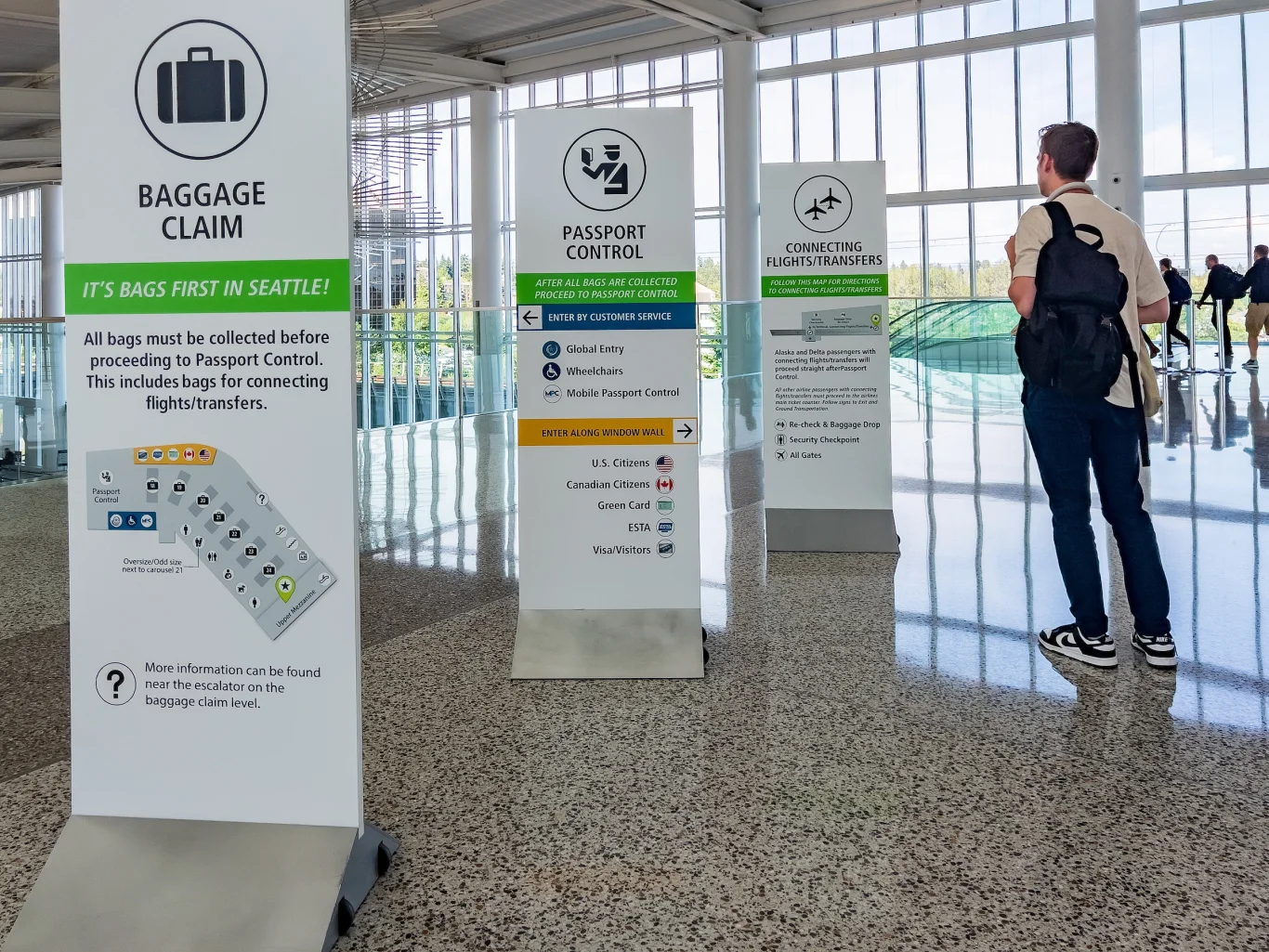
Clear airport signage directing arriving travelers along the designated transit route.
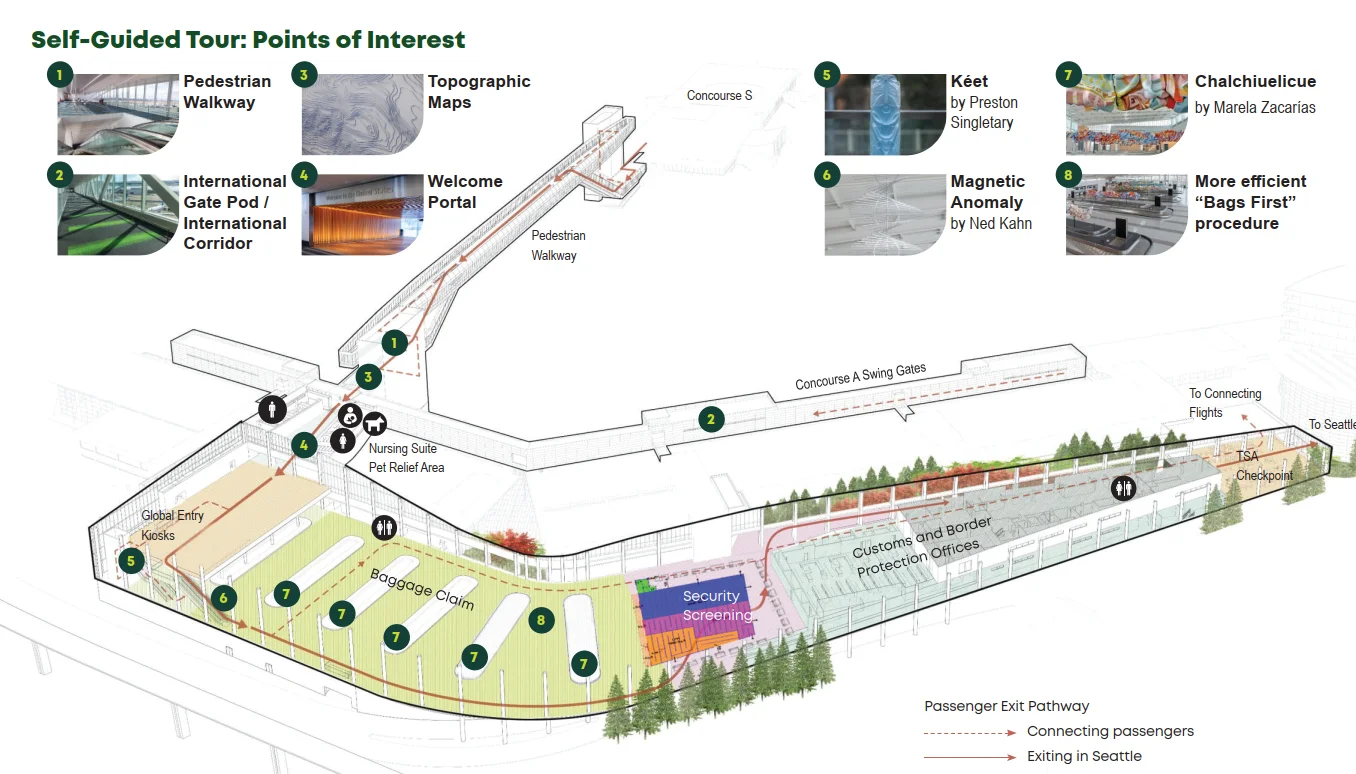
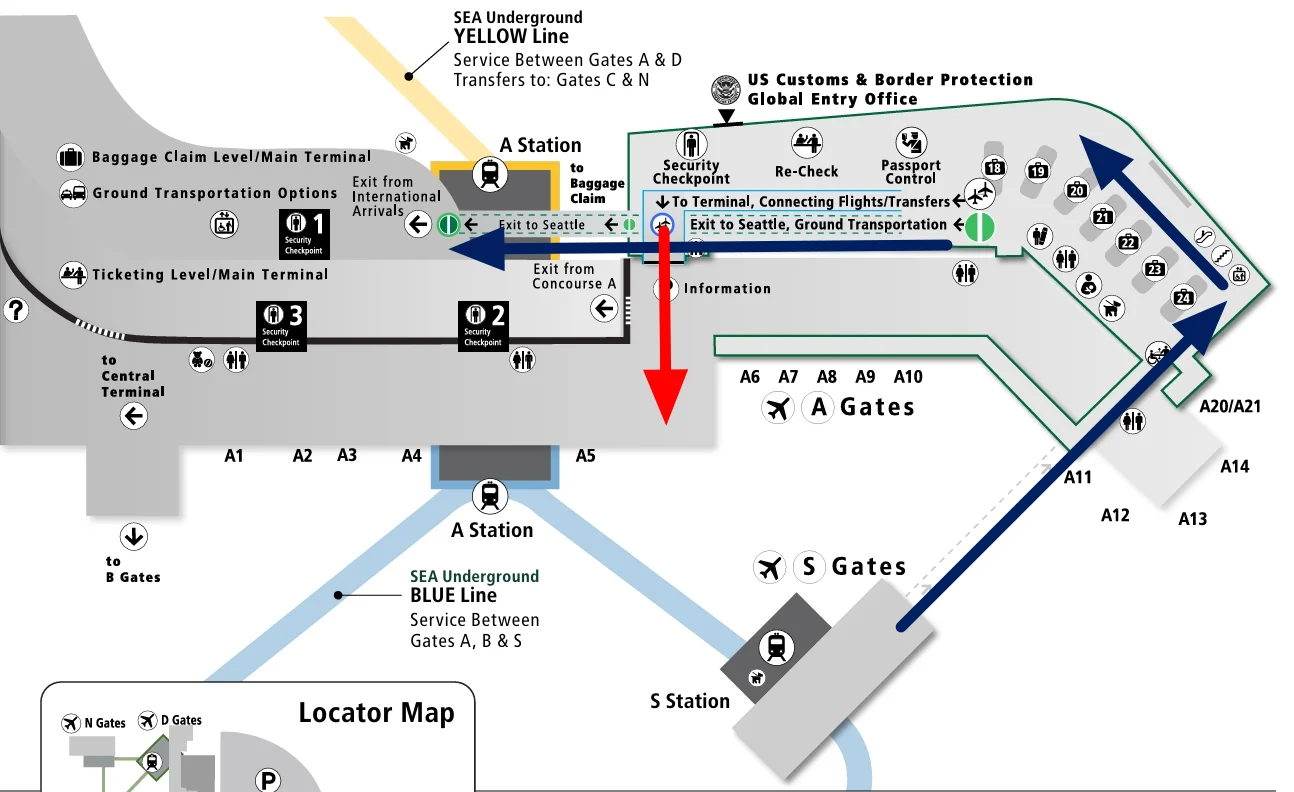
Airport Transfer & Entry Map
Solid line: Arrival into Seattle; Dashed line: Connecting flight route. Both paths require claiming your checked bags before clearing CBP. Photo / Port of Seattle
International Flights Centralized at Concourse S
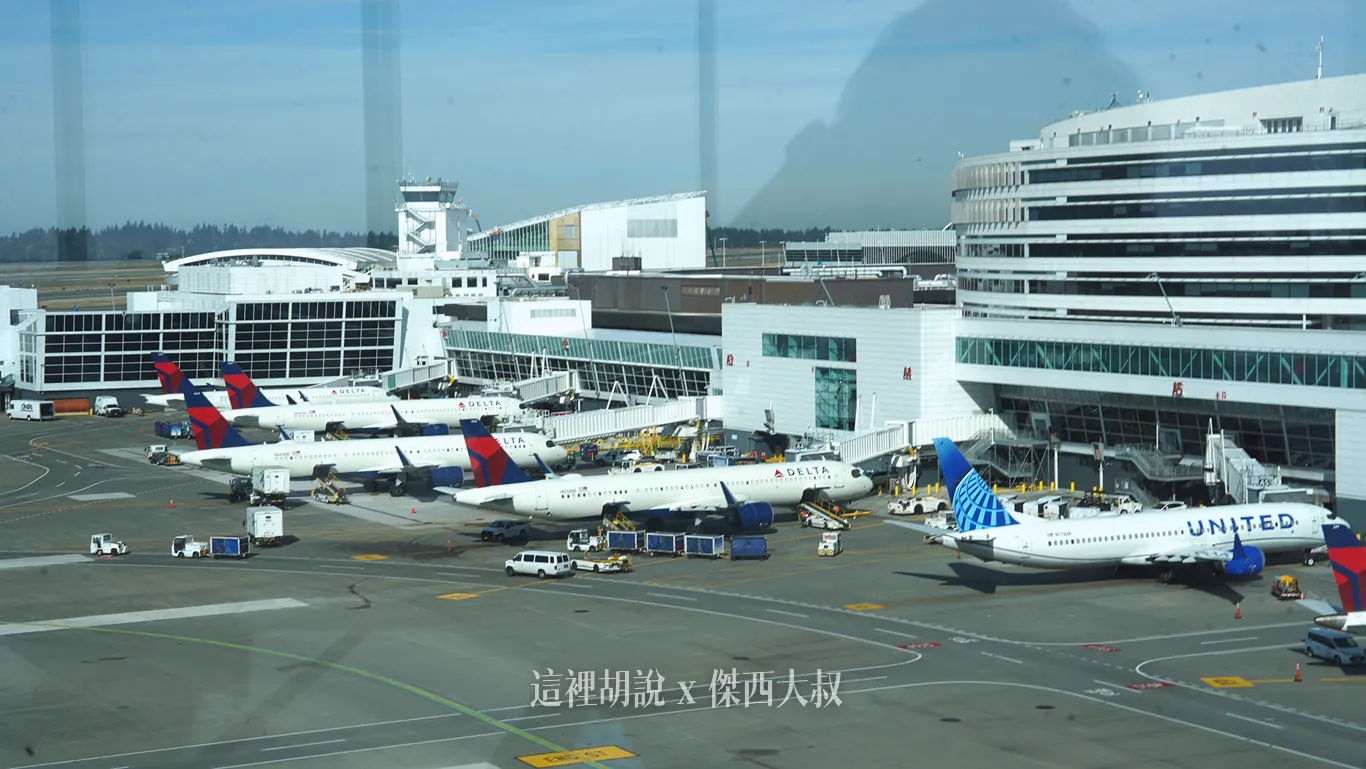
Nearly all international long-haul arrivals at Seattle Airport are processed through Concourse S (the South Satellite) and connected gates, as this dedicated infrastructure channels passengers directly into the secure international processing corridor.
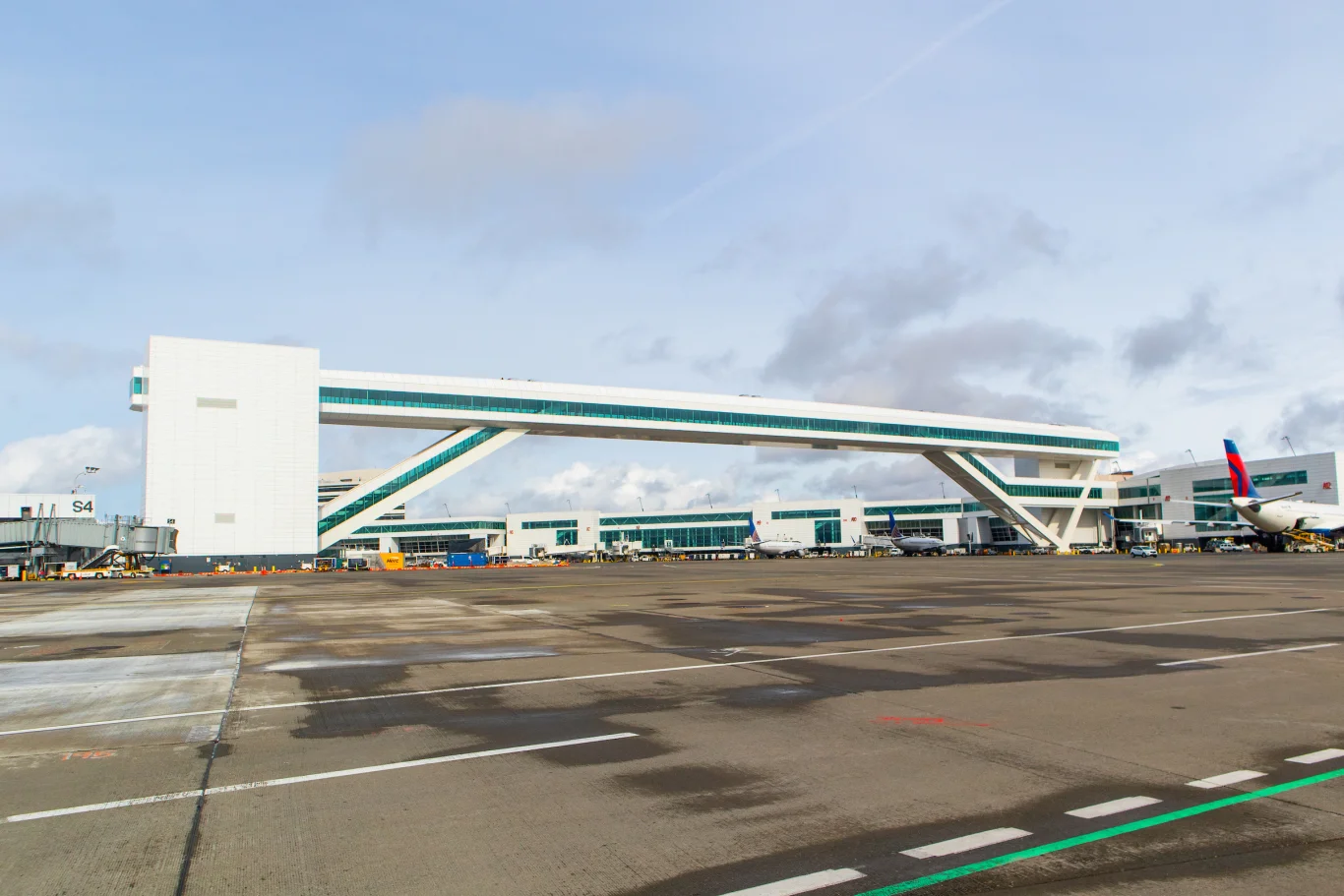
Concourse S operates as a satellite terminal. Departing international travelers use the inter-terminal train, while arriving passengers walk across the pedestrian bridge to the IAF for border clearance. Photo / Port of Seattle
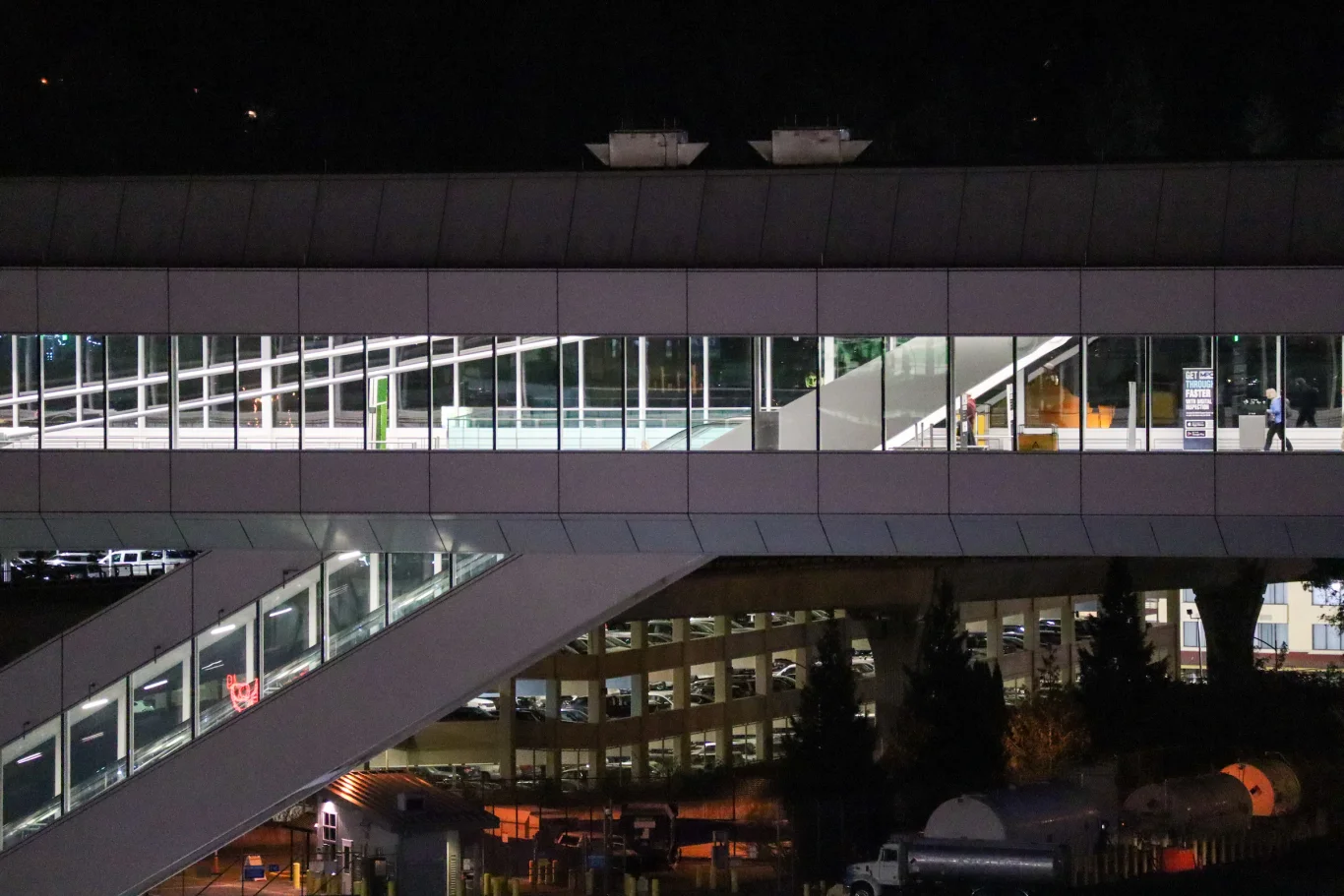
The Iconic Aerial Pedestrian Skybridge
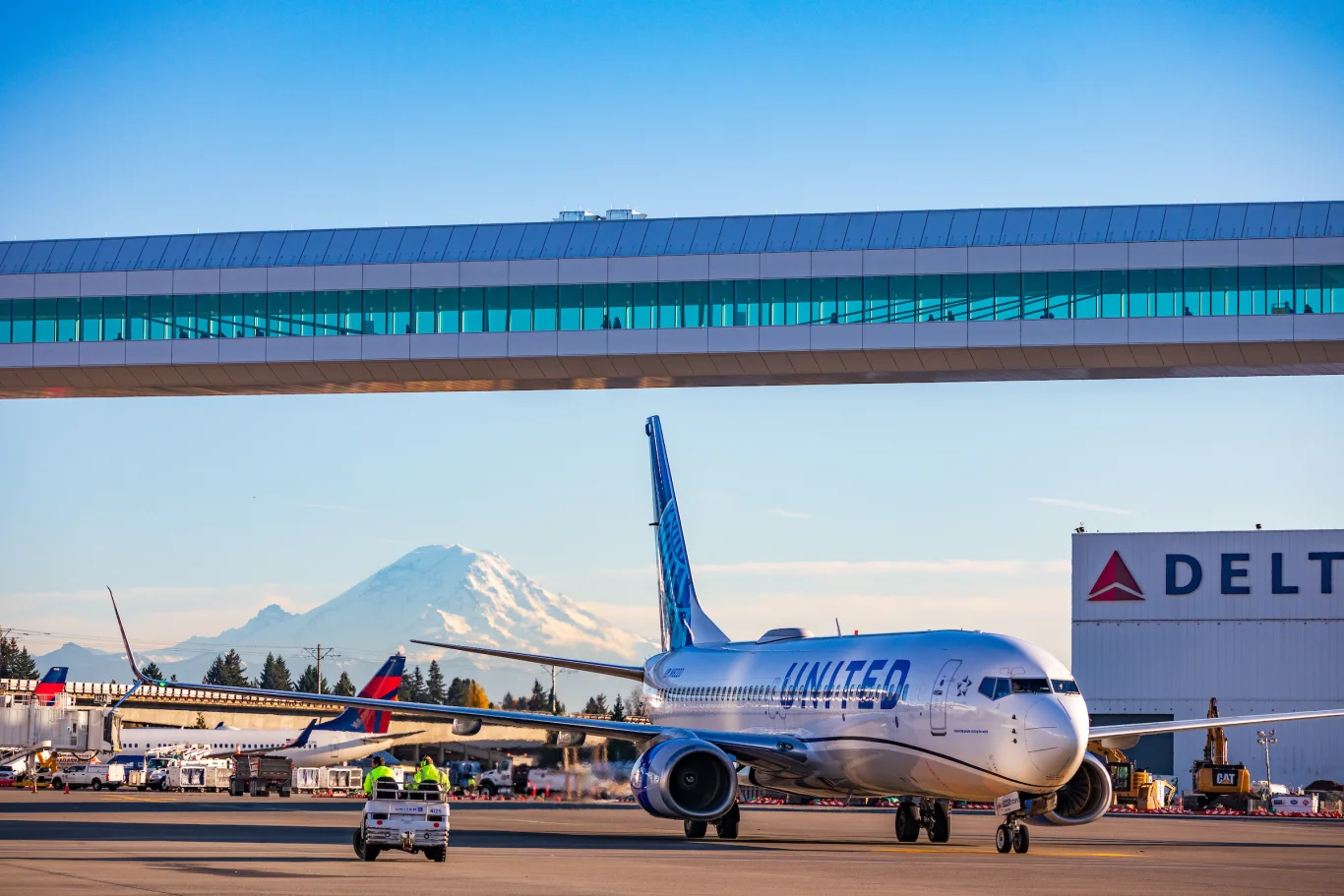
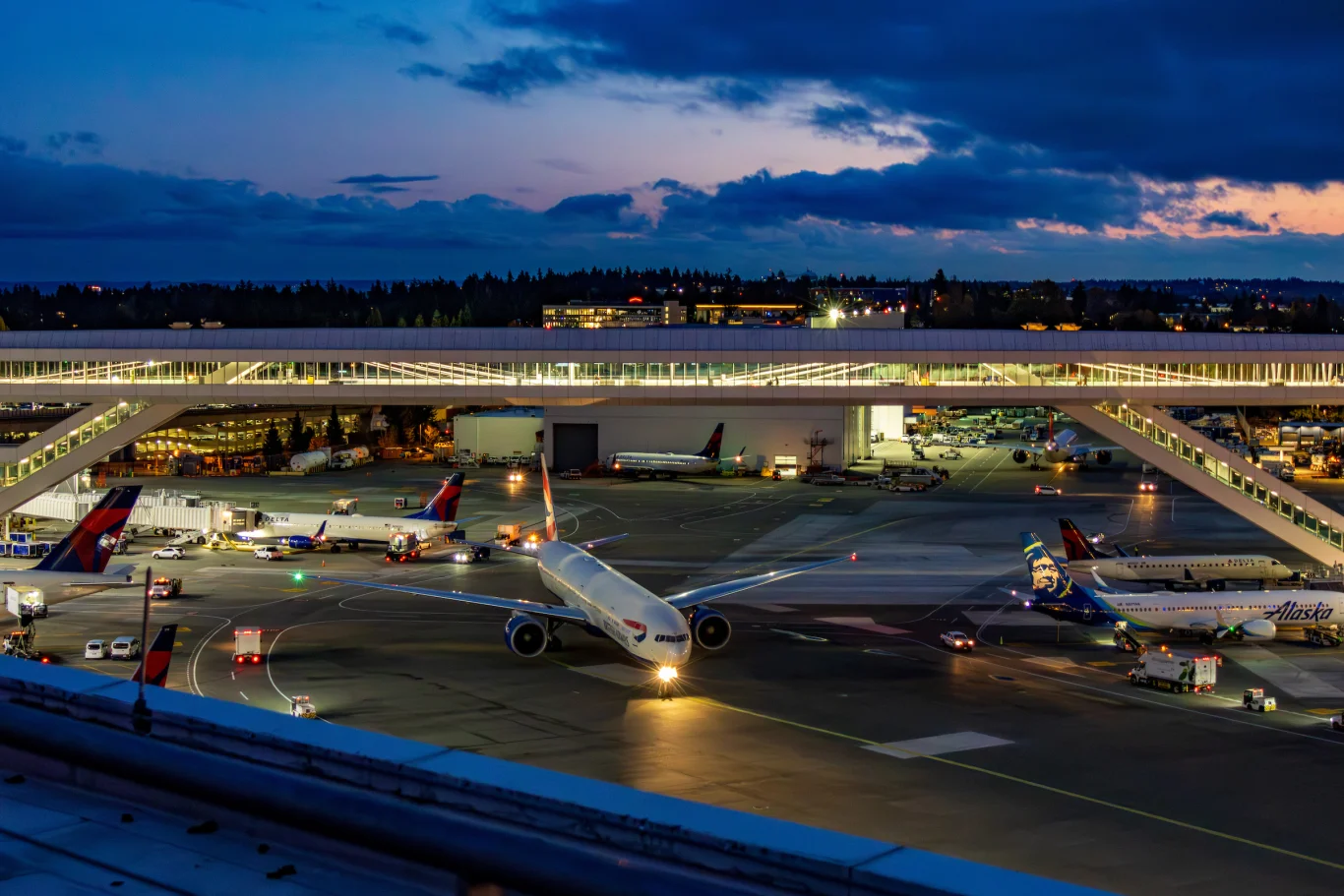
Because Concourse S is a satellite building, arriving passengers cross an elevated pedestrian skybridge tall enough for active aircraft to taxi directly underneath. Left: Concourse S; Right: Main Terminal. Photo / Port of SeattleRamp operations at SEA, with Washington state’s iconic Mount Rainier framing the horizon. Photo / Port of Seattle
The elevated aerial walkway leading to the IAF. Photo / Port of Seattle
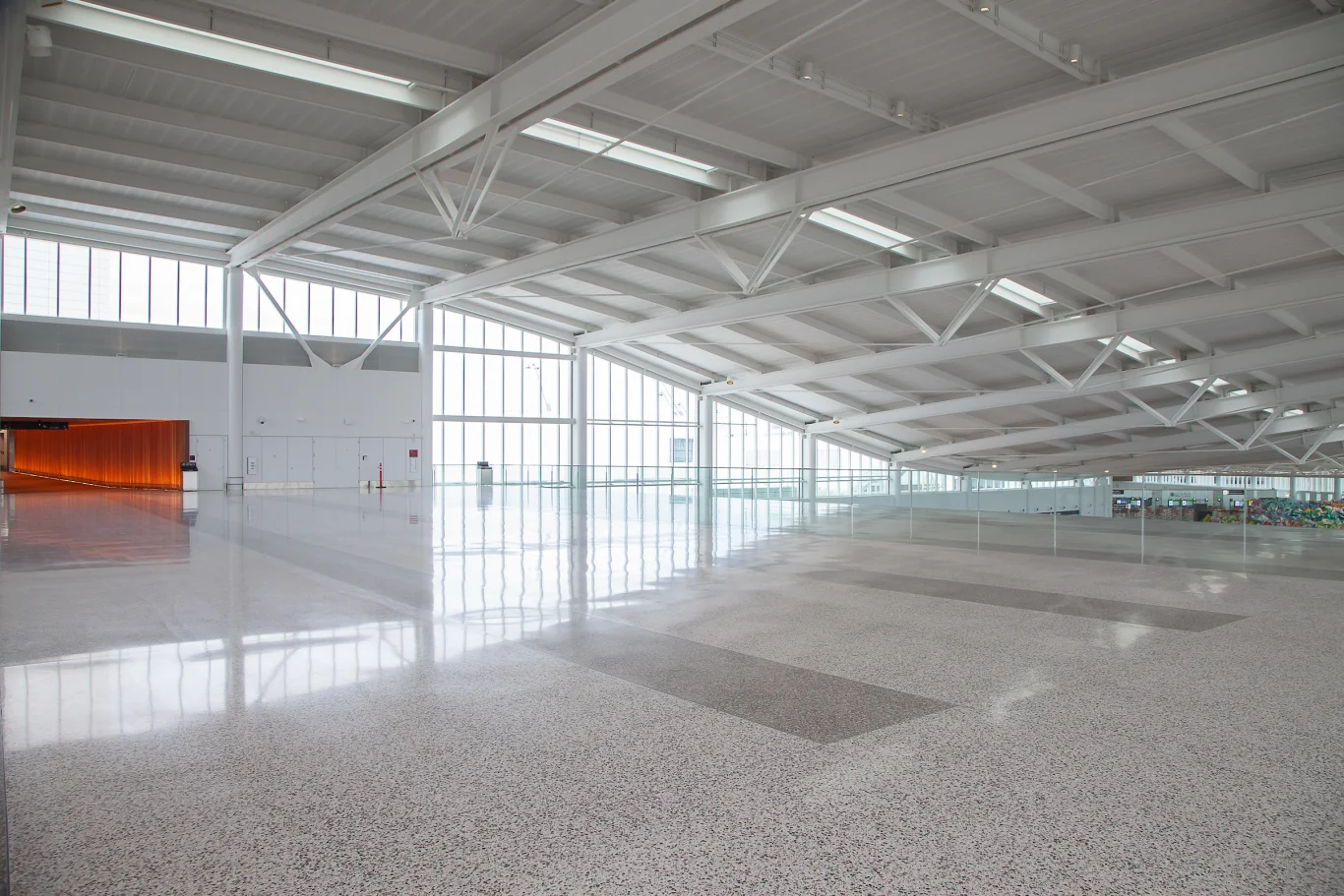
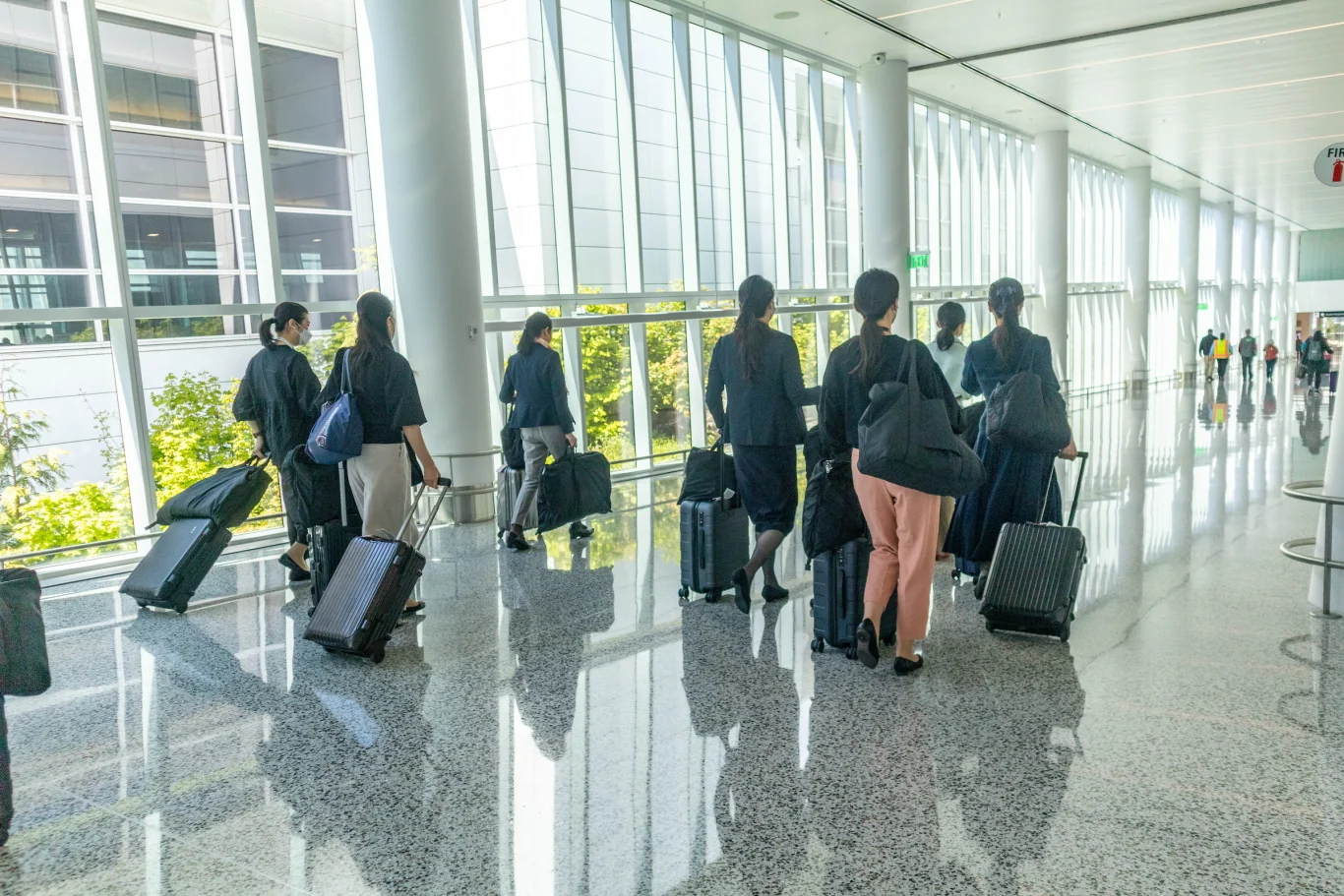
Inside the expansive pedestrian skybridge toward border control. Photo / Port of Seattle
Step-by-Step Walkthrough After Deplaning
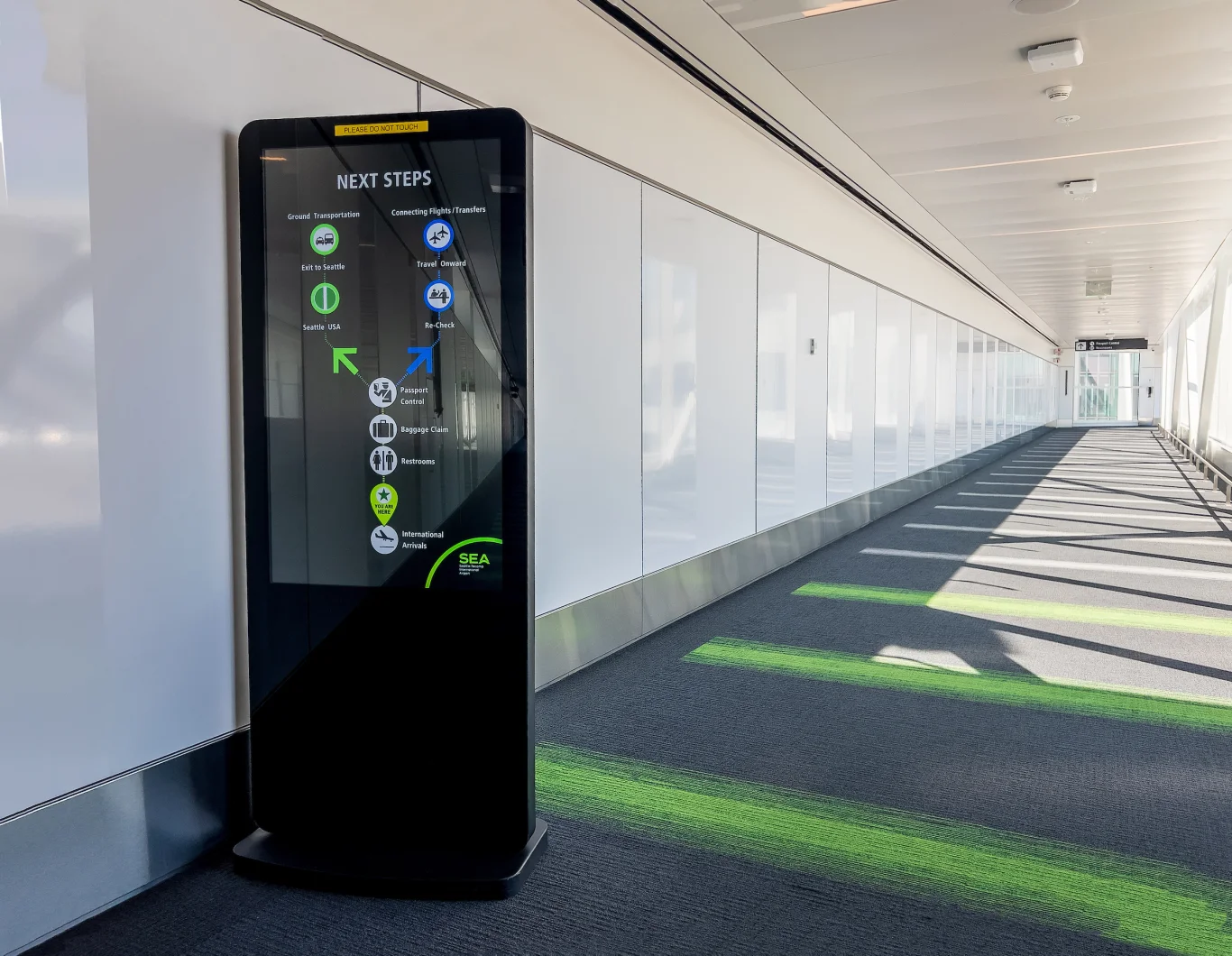
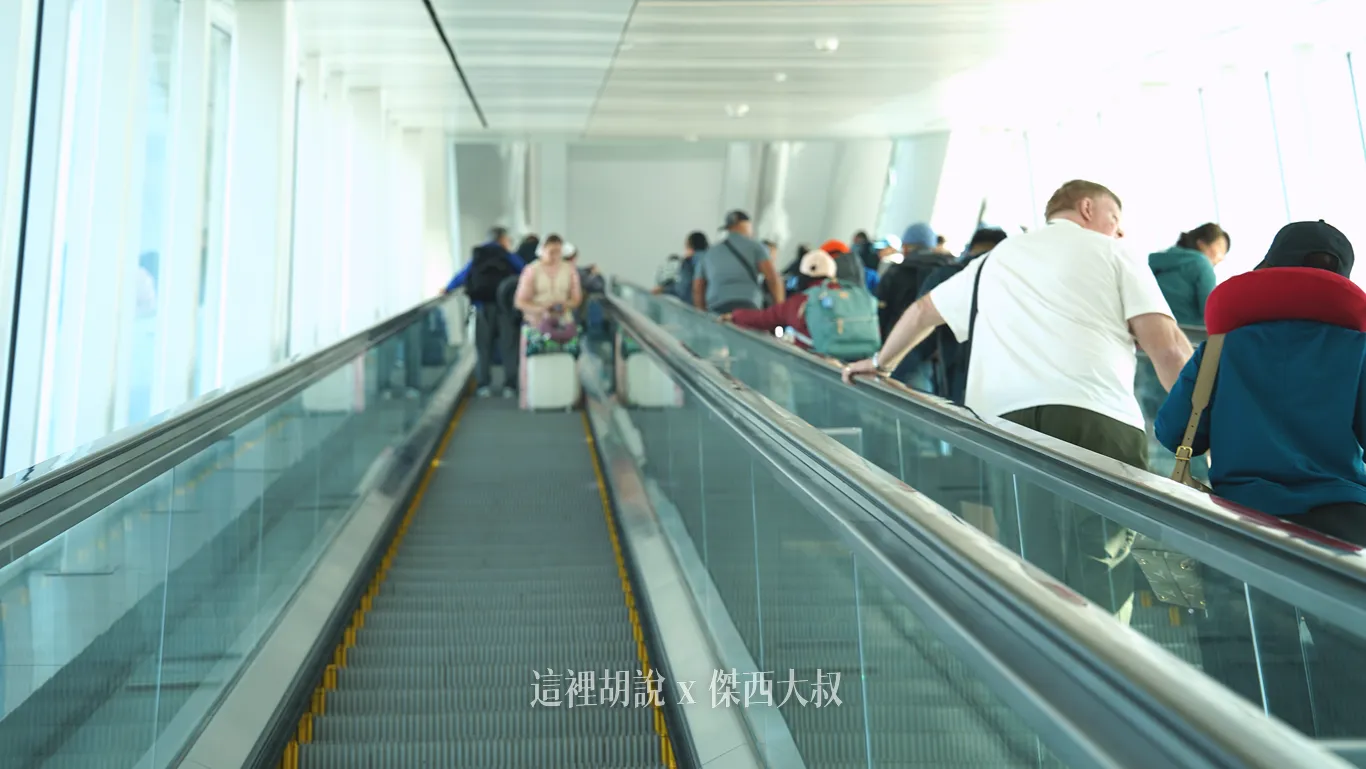
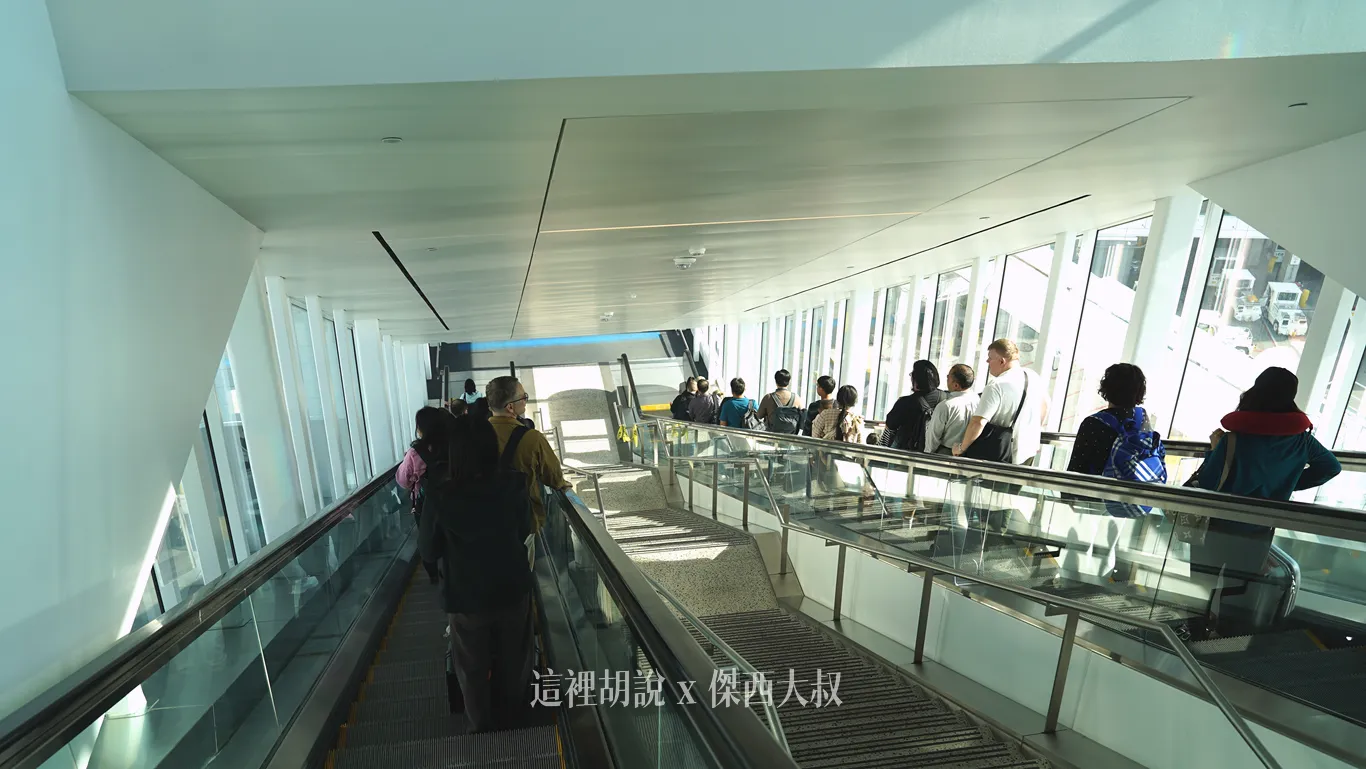
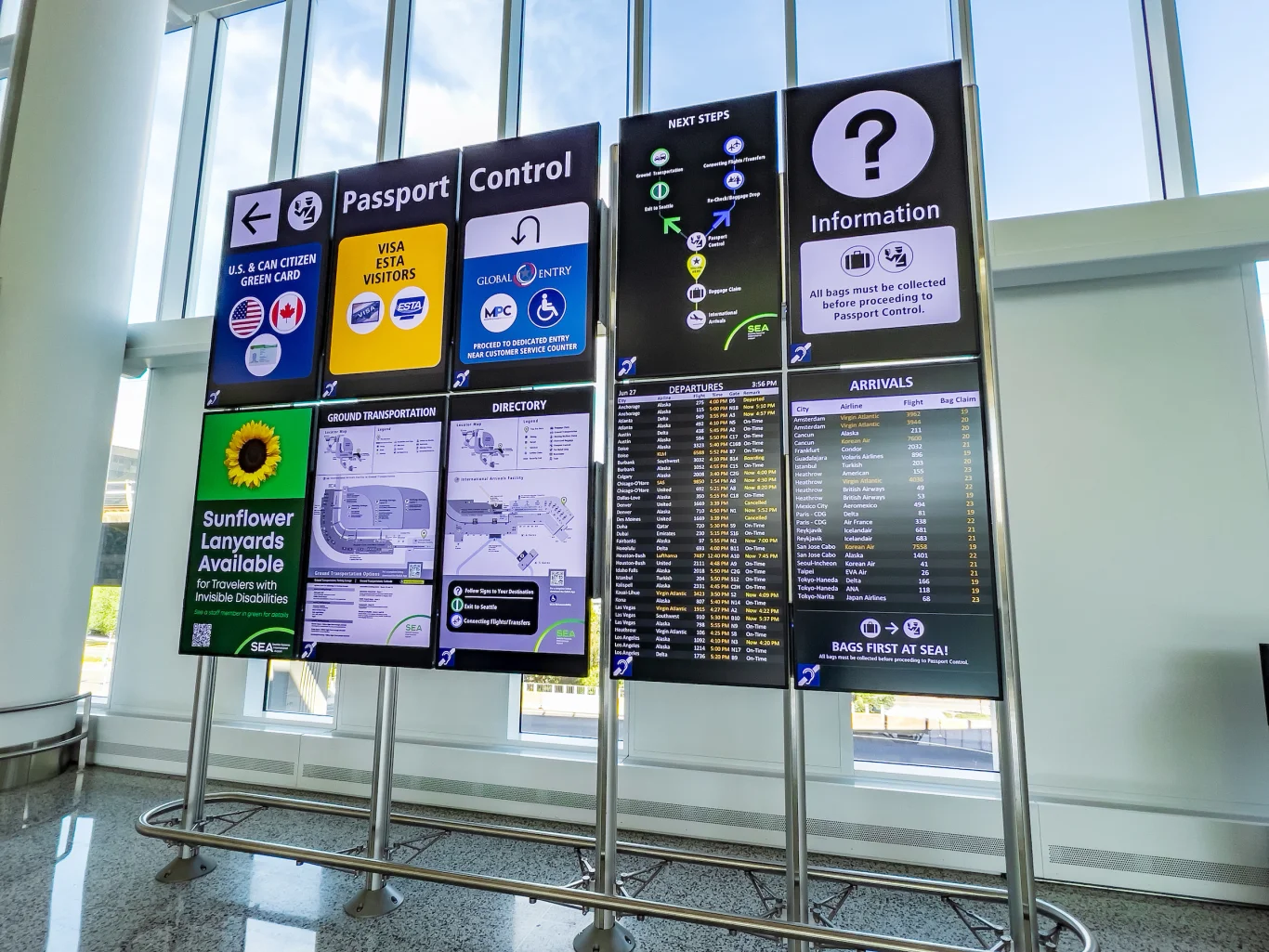
Digital display boards along the route outline your current location and subsequent steps. Photo / Port of SeattleHeading up: After deplaning, follow the escalators toward the bridge route leading to the IAF. Photo / Port of SeattleGoing upstairs: International arrivals cross this elevated skybridge to reach the immigration checkpoint.Crossing the skybridge: Enjoy panoramic tarmac views—and if you’re lucky, an airliner taxiing directly below.Going downstairs: After crossing the bridge, descend via escalator to enter the arrivals hall.
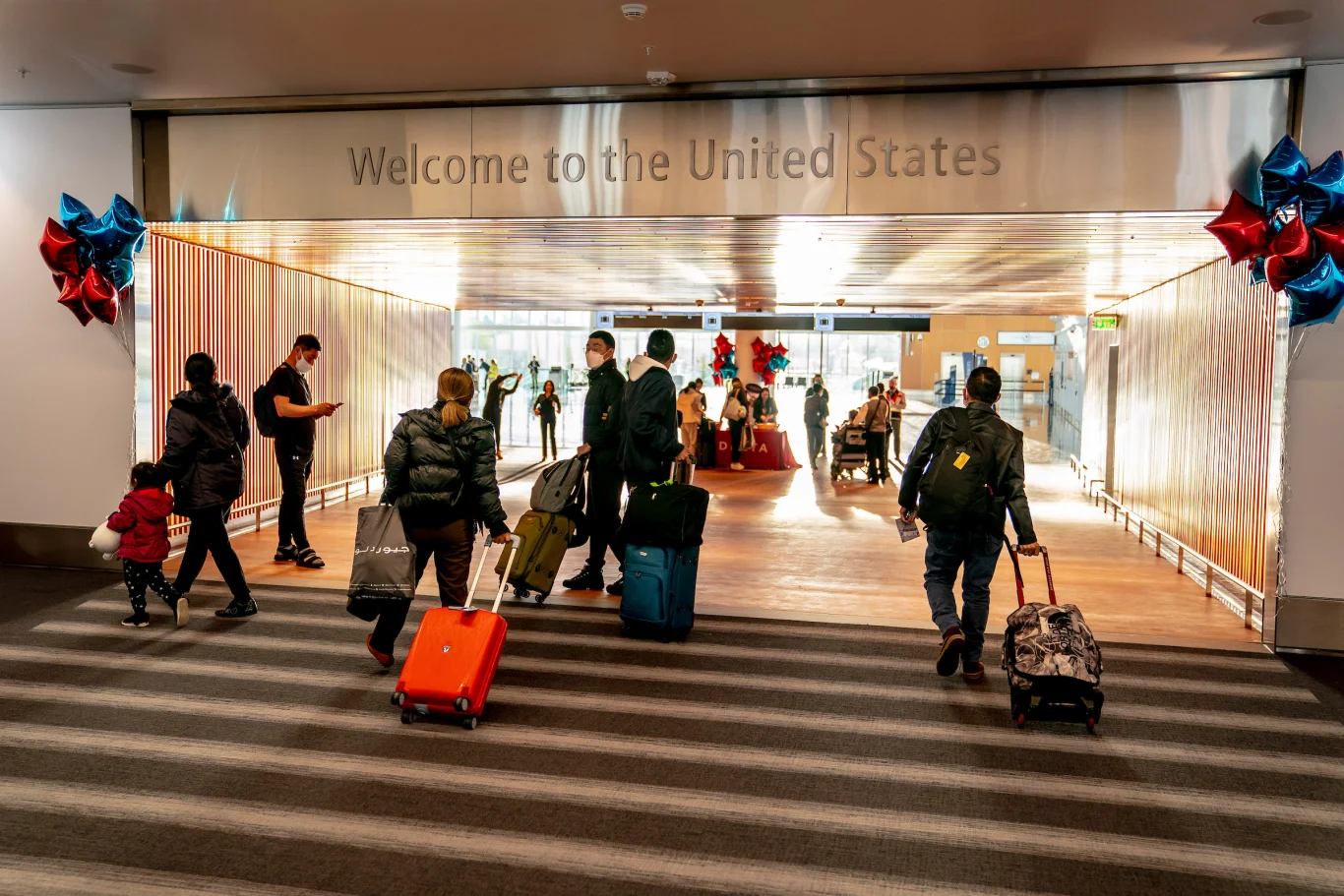
The iconic “Welcome to the United States” sign marks your arrival at the IAF. Photo / Port of Seattle
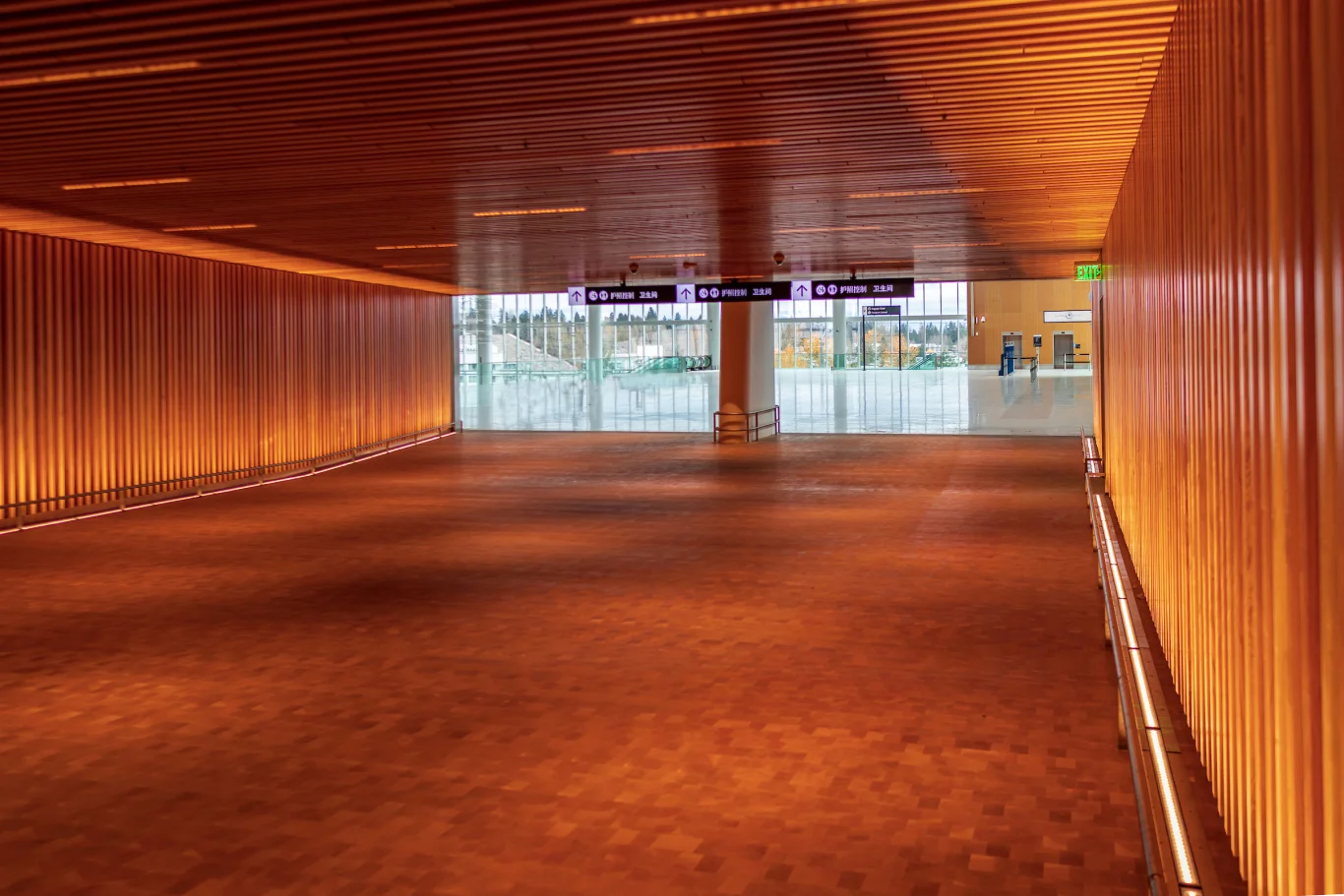
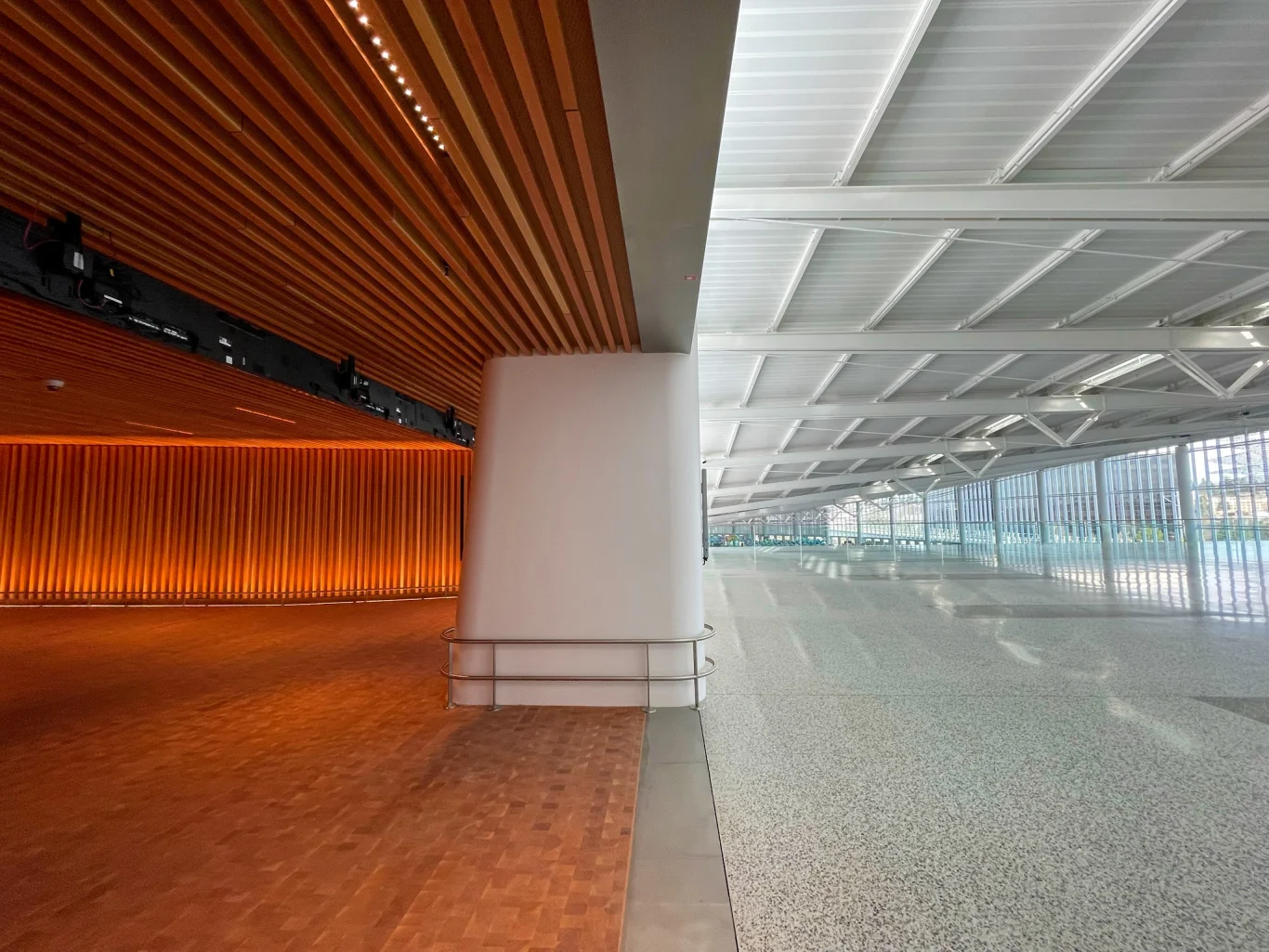
Passing through the warm wood-slatted portal brings you into the International Arrivals Facility mezzanine. Photo / Port of Seattle
To the right lies the sweeping expanse of the International Arrivals Grand Hall. Photo / Port of Seattle
Stepping out onto the mezzanine platform overlooking the Grand Hall; proceed ahead and take the escalators down.Signage outlines the arrival sequence here, but feel free to head straight downstairs now that you know the drill.
Claim Baggage First: The Bags-First Arrival Procedure
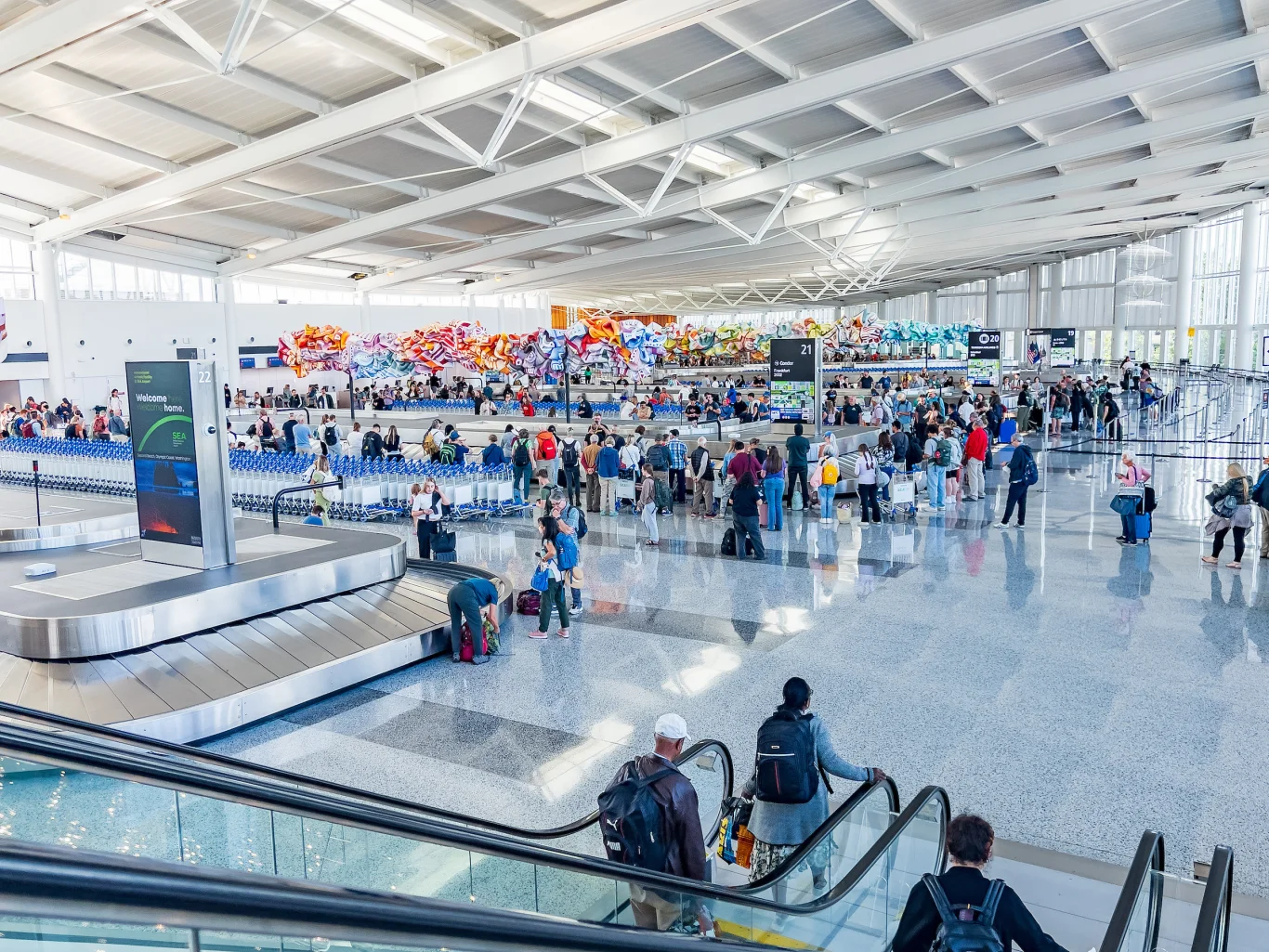
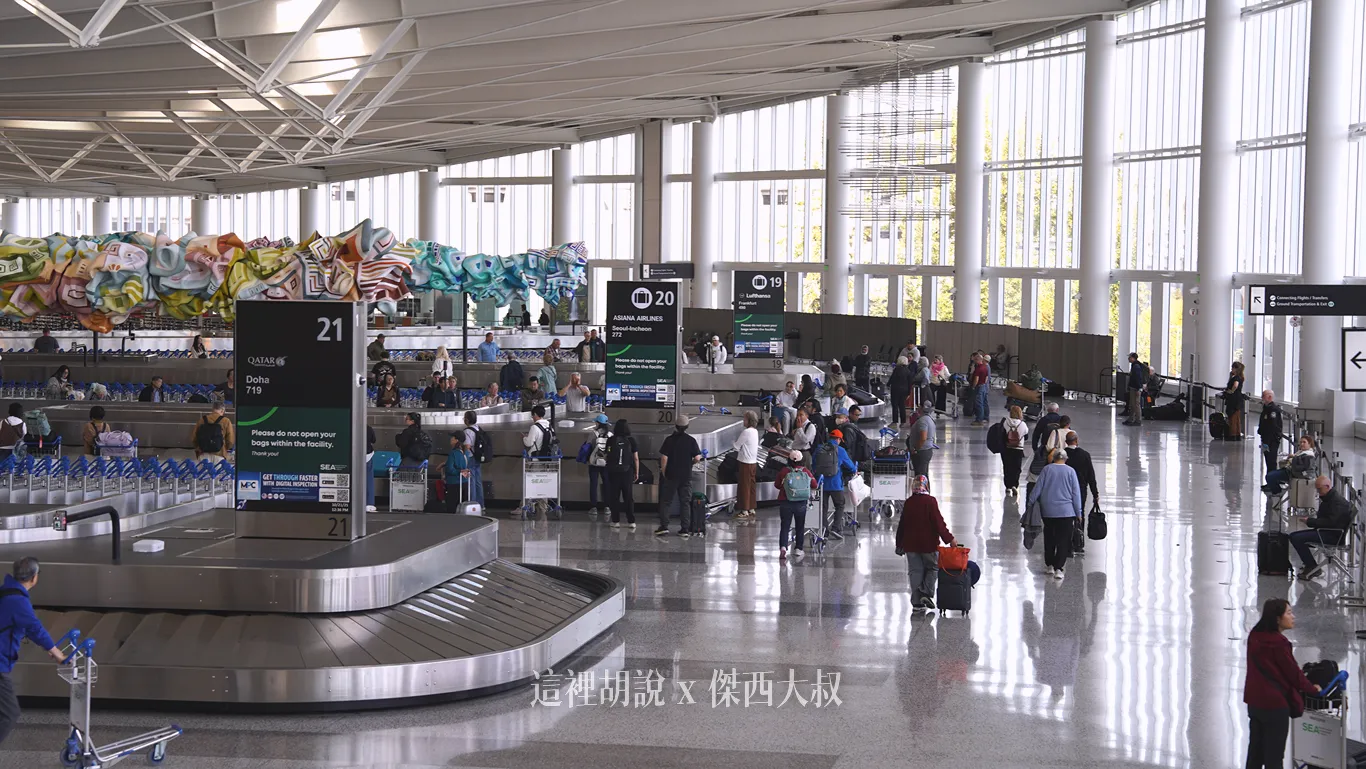
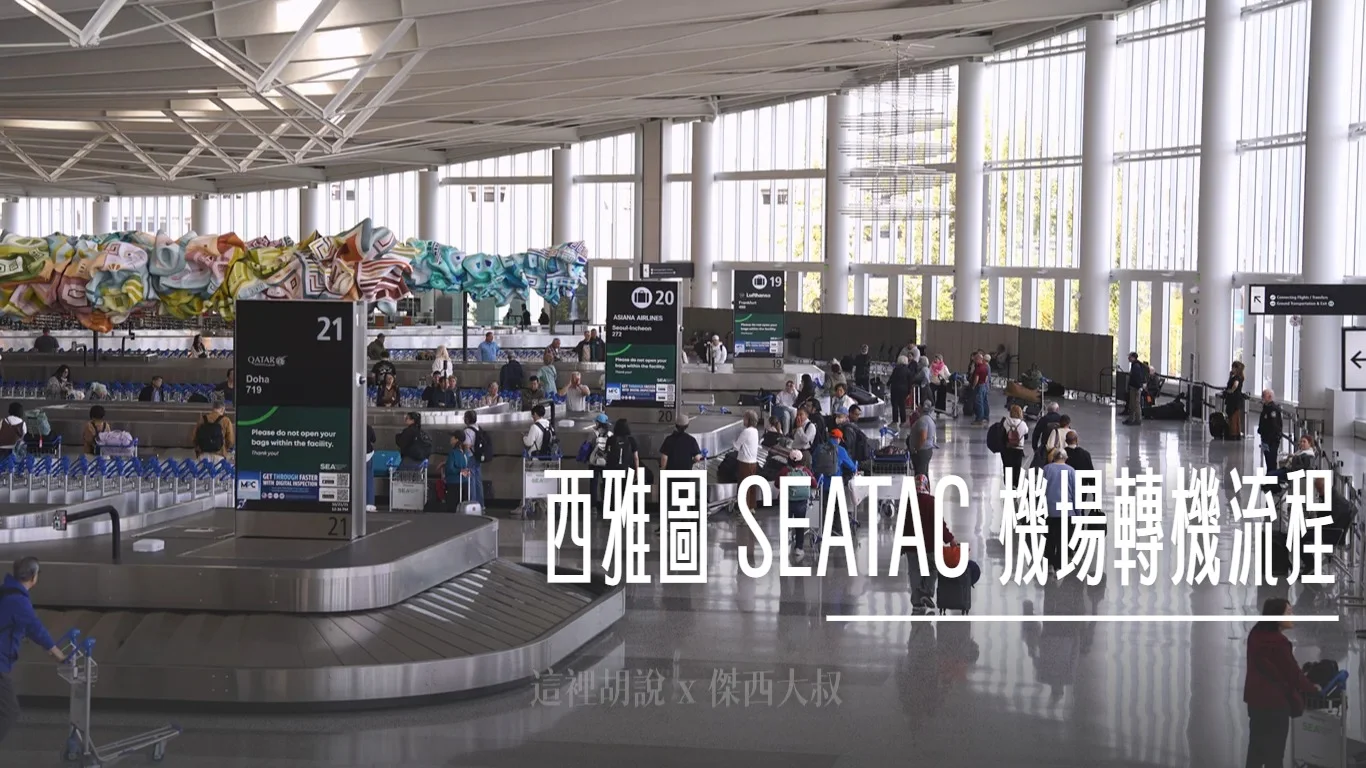
Overhead electronic screens provide real-time maps and flow instructions.Spacious baggage claim carousels inside the IAF Grand Hall. Photo / Port of Seattle
Unlike many traditional US entry ports, SEA requires you to claim your checked bags before passing through passport control. This streamlined system is the centerpiece of the IAF design.
Arrival Flow Diagram
Clearing U.S. Customs and Border Protection (CBP) can involve substantial wait times during peak international arrival banks. We strongly recommend using the restrooms before joining the queue, as processing is thorough and lines can be lengthy.
Arrive at Baggage Carousels 18–24, claim your luggage, and proceed to CBP inspection. Photo / Port of Seattle
Clearing CBP Border Control
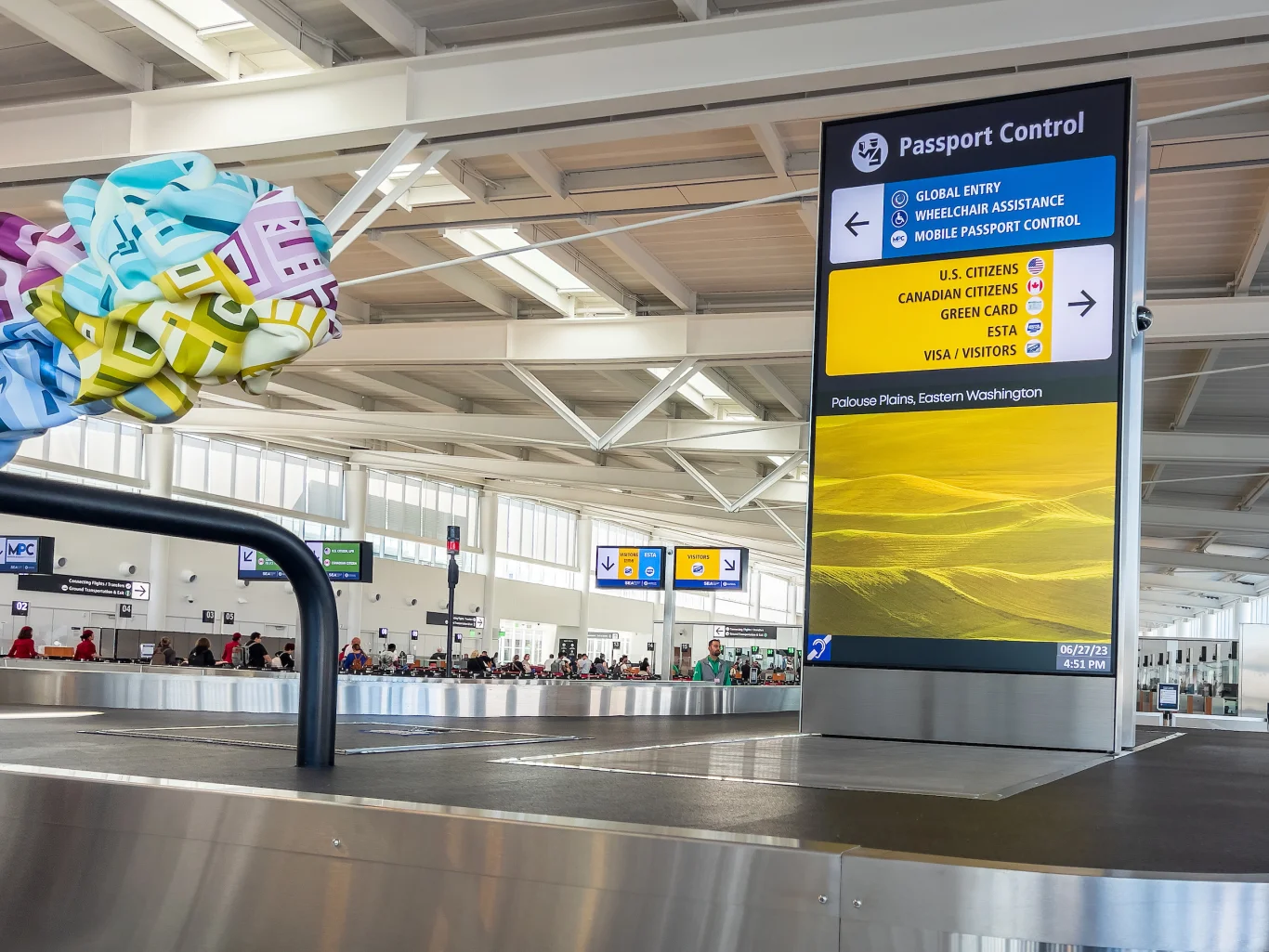
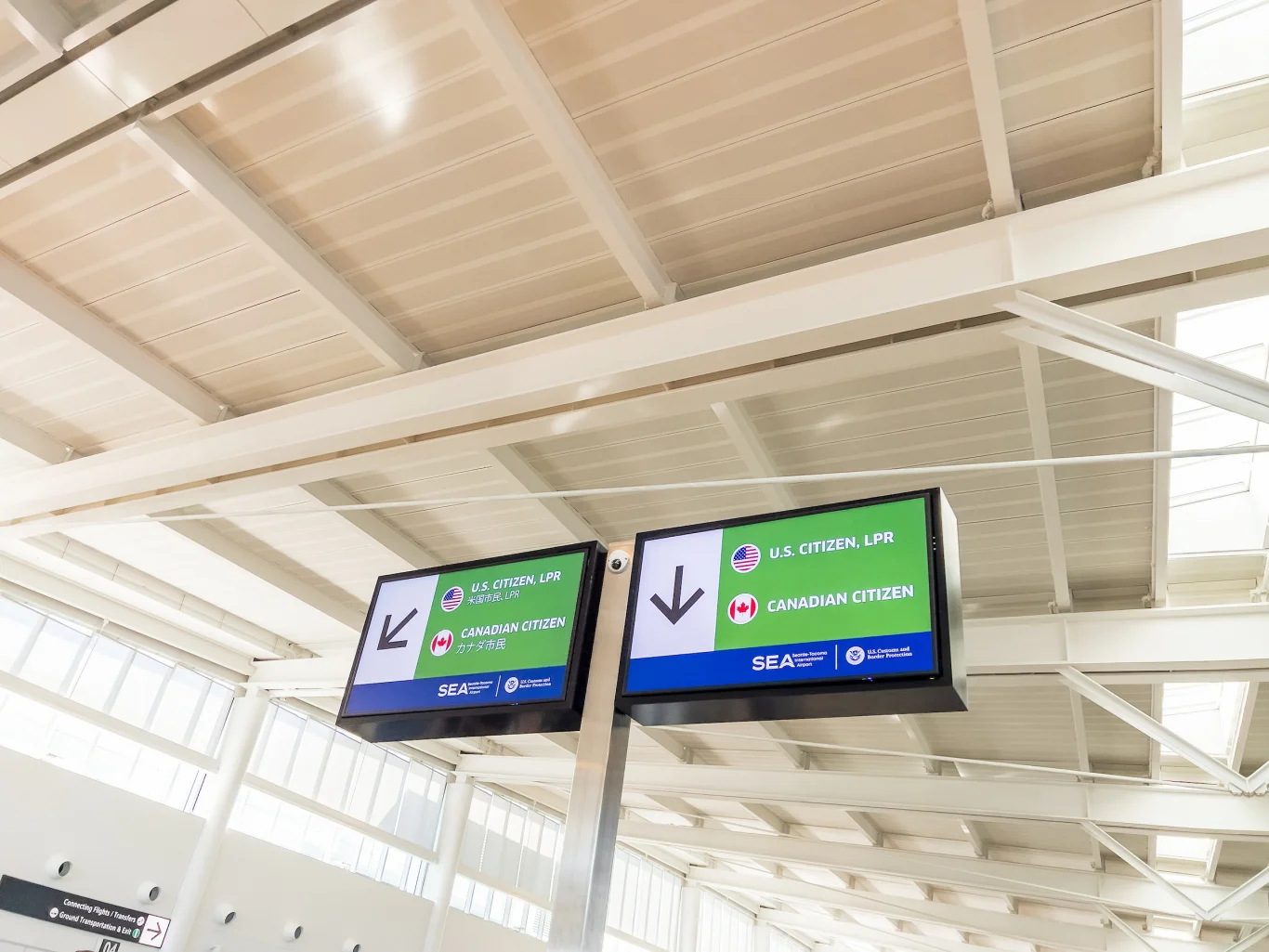
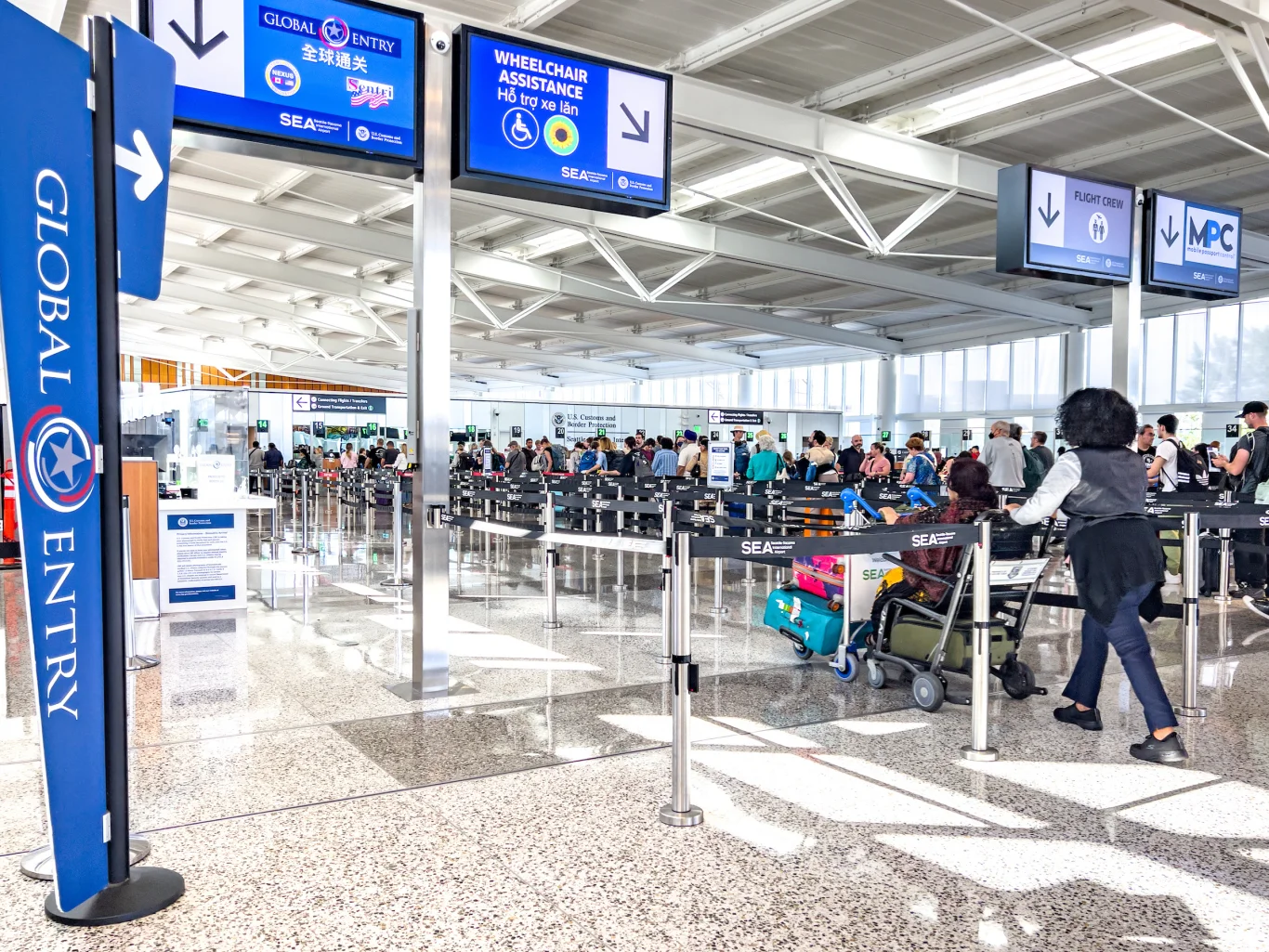
Queue management is dynamic and adjusted in real time based on passenger volume. Follow overhead electronic signage and airport ground staff instructions to enter the correct queue based on your citizenship and travel credentials.
After collecting your bags, overhead signage directs you toward immigration lanes; most visa-waiver (ESTA) travelers will bear right. Photo / Port of SeattleSelect the appropriate lane corresponding to your travel eligibility and passport type. Photo / Port of Seattle
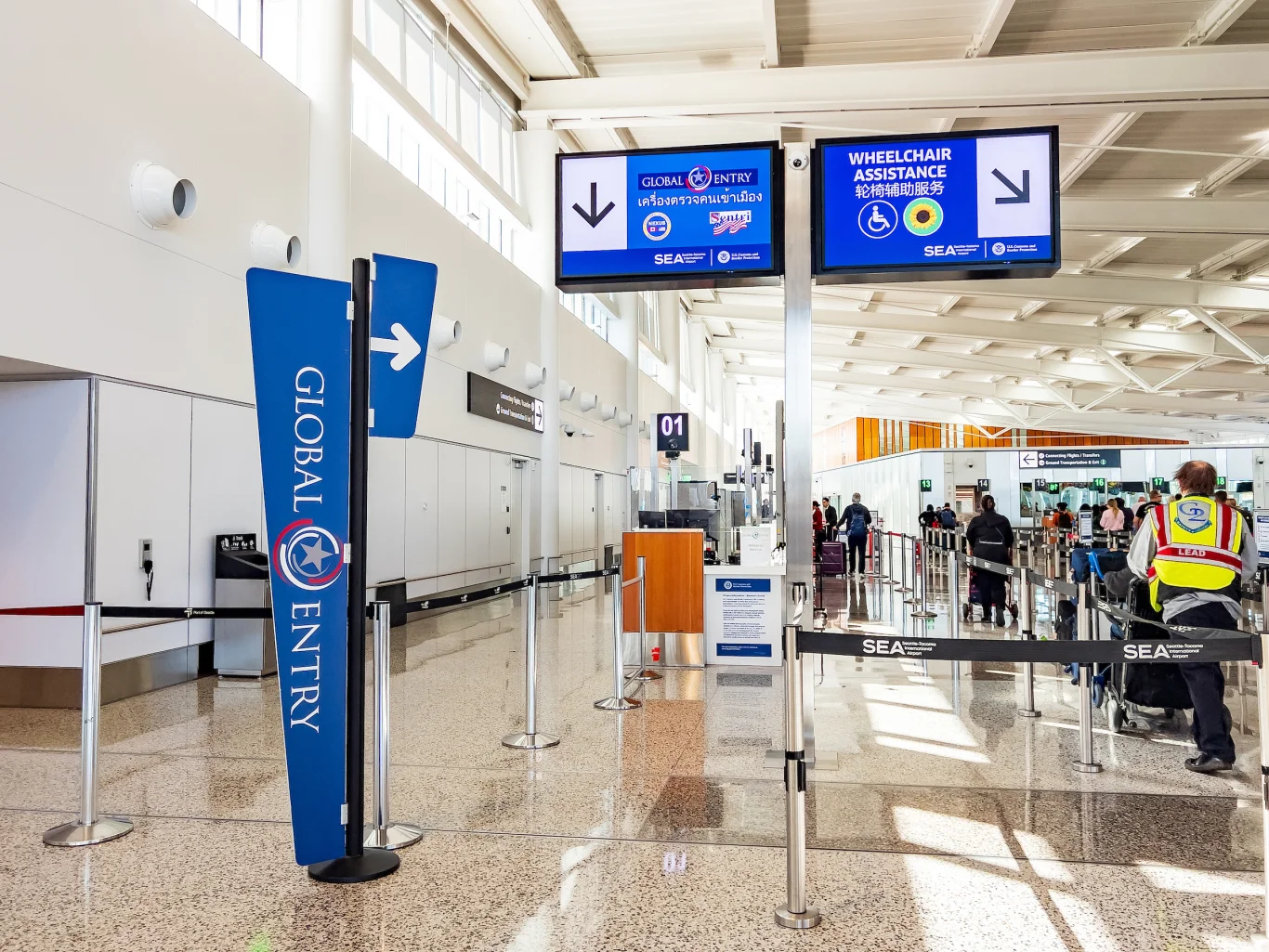
Dedicated lanes for Wheelchair Assistance, Airline Crew, and Mobile Passport Control (MPC).
Global Entry expedited lanes for pre-approved low-risk travelers.
Single-Step Baggage & Border Check: Claim your luggage first, then wheel it with you to the CBP officer for combined passport control and customs declaration. Once cleared, proceed toward the exit (Seattle local arrival) or connecting flights.
Strict Cellphone Policy: Because immigration and customs happen together with your bags, strictly observe federal regulations: photography, videography, and unauthorized mobile phone use are prohibited inside the CBP secure perimeter.
Mandatory Entry Clearance for Transfers: The United States does not offer sterile international transit. Regardless of whether your final destination is Seattle or another domestic/international city, every traveler must legally enter the U.S. and clear CBP. Ensure you hold a valid visa or approved ESTA before travel.
The Fork in the Road: Seattle Exit vs. Connecting Flights
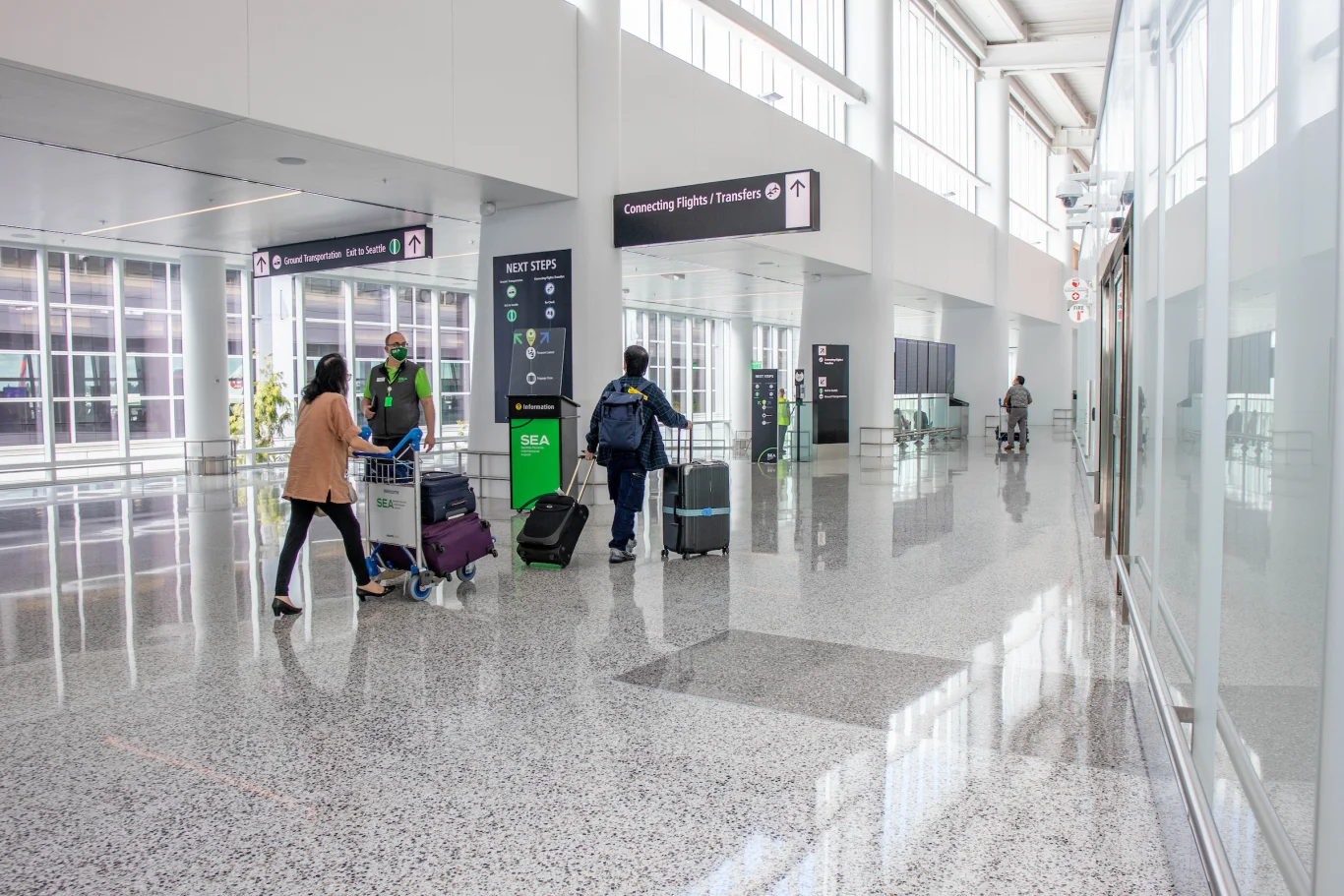
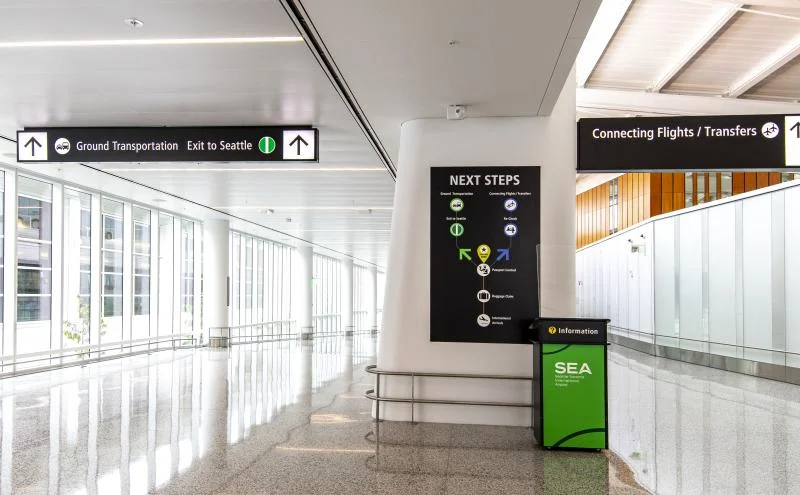
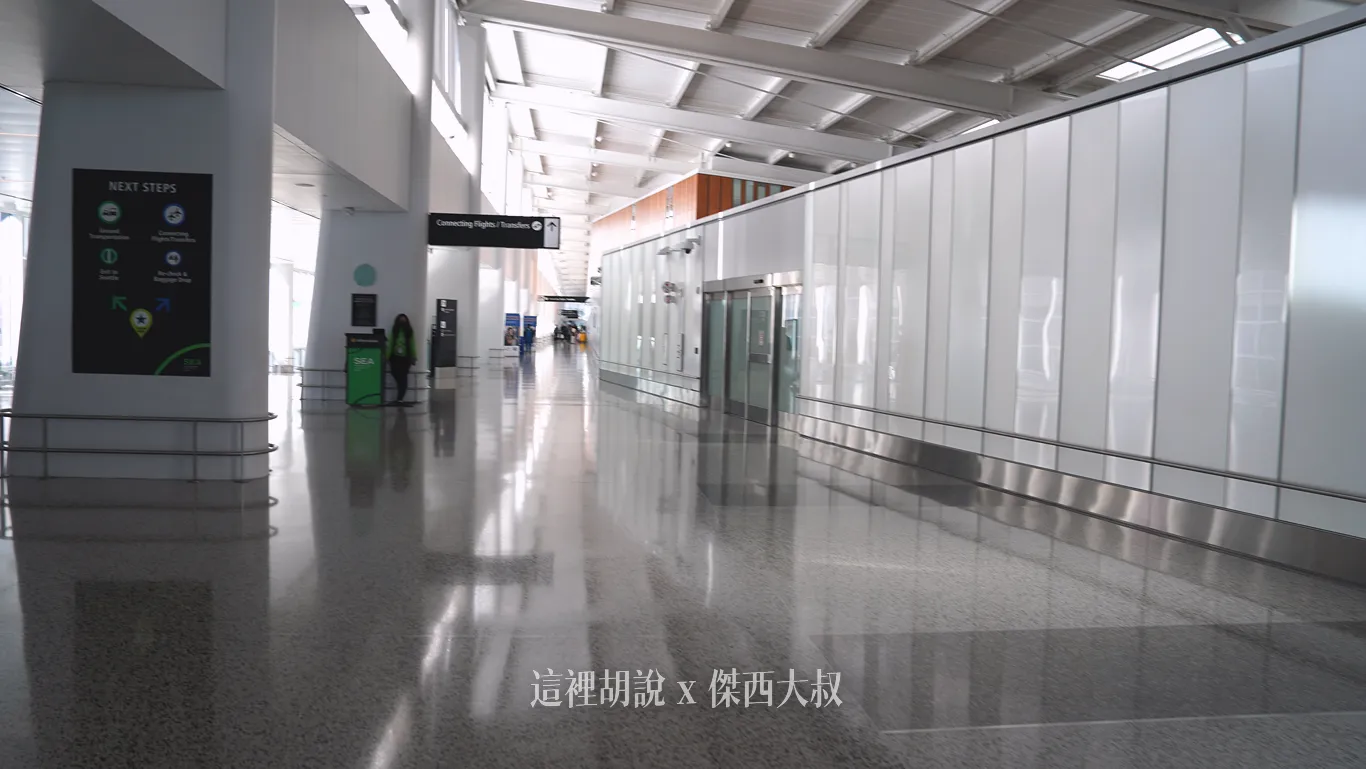
After clearing border control, the path forks: the left corridor leads directly down to Seattle Arrivals, while the right channel is designated for Connecting Flights. Photo / Port of SeattleAnother clear angle showing the junction: left for the city exit, right for flight transfers. Photo / Port of Seattle
Domestic Connection Procedure
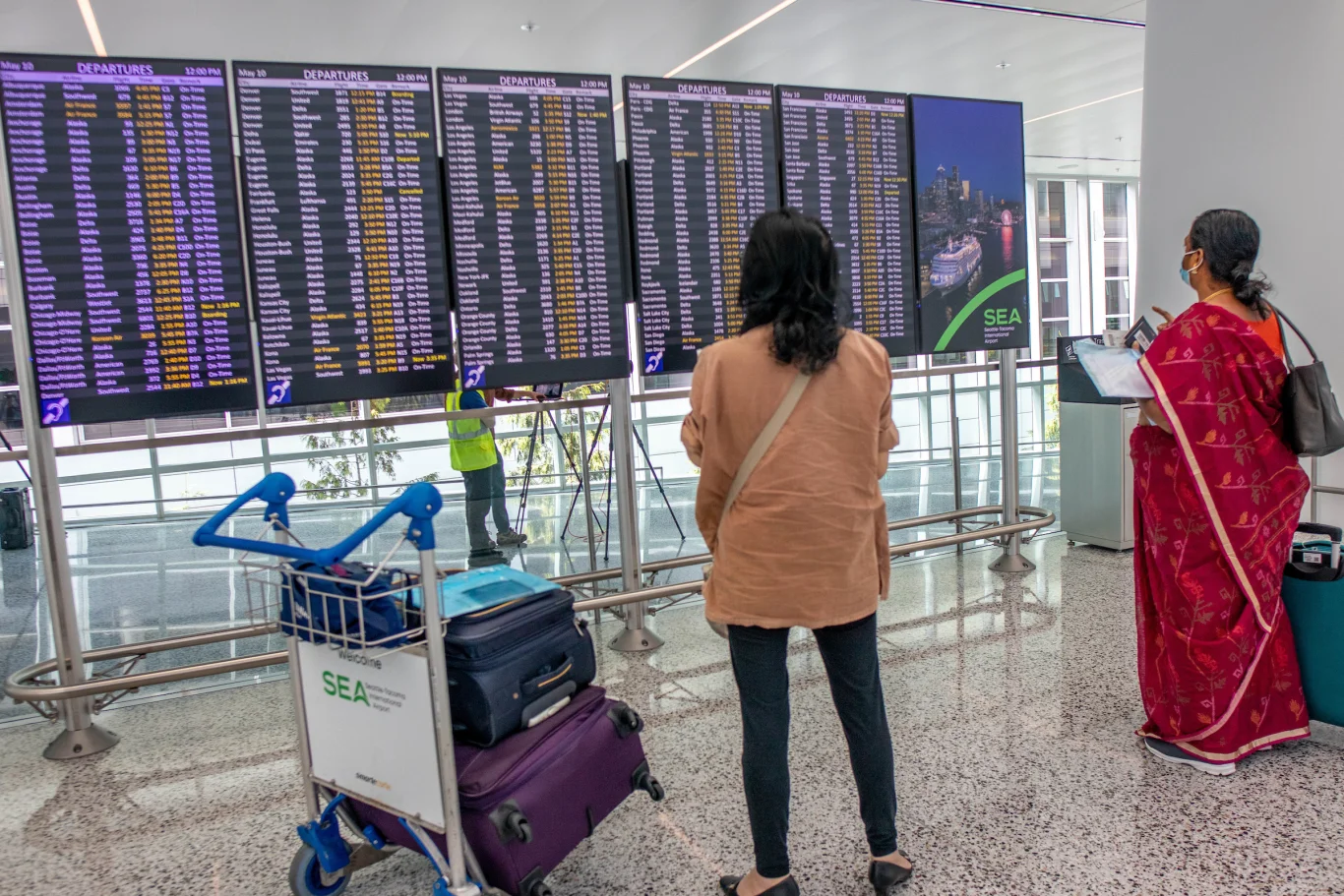
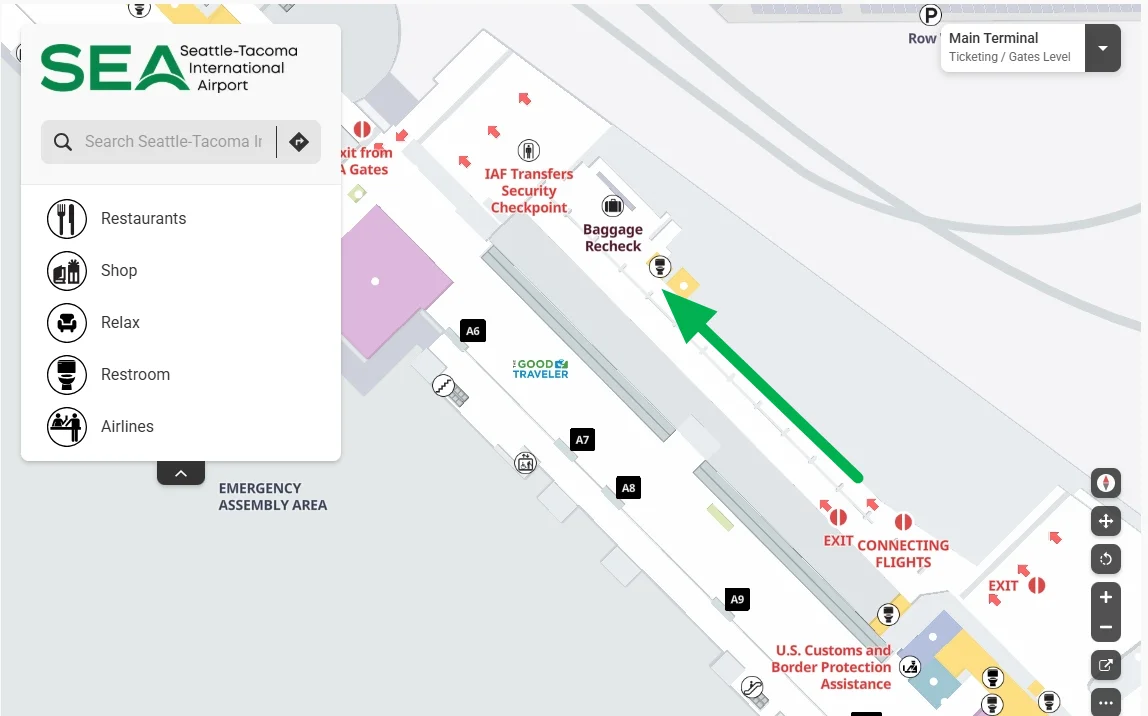
The connecting flights corridor branching off to the right.Flight status and gate display boards positioned at the transit junction. Photo / Port of SeattleConnection Flow: Follow the right lane to the baggage re-check drop counters, then clear dedicated TSA transfer security. Note: This dedicated transit checkpoint operates from 6:00 AM to 10:00 PM. Outside these hours, passengers must exit to the main terminal check-in hall to re-check bags and clear standard TSA security.
Once you pass the transfer TSA security checkpoint, you re-enter the sterile post-security airside concourse. Because U.S. domestic arrivals and departures mingle freely in the same concourse, you are free to leave the secure area if you have an extended layover and wish to explore downtown Seattle.
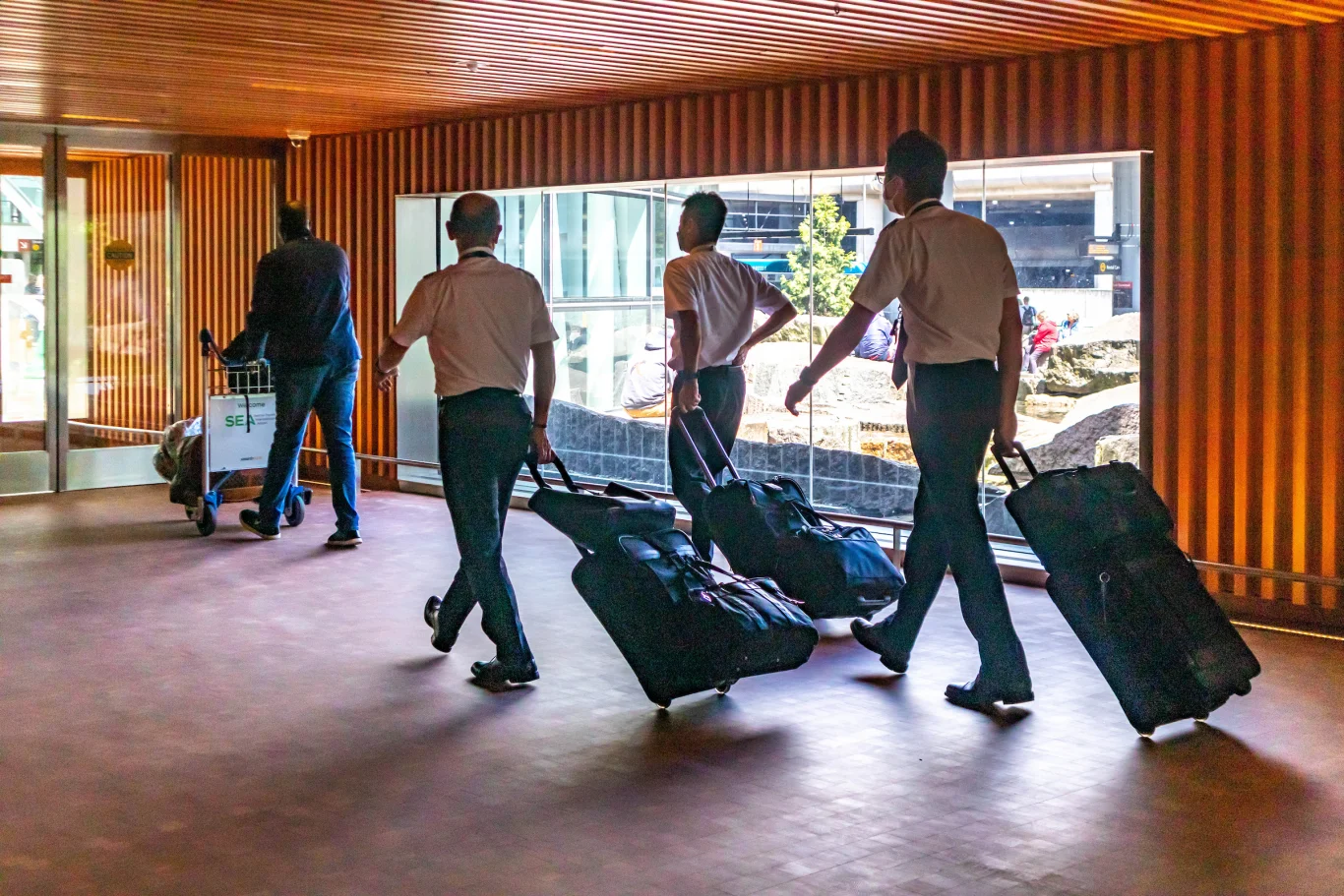
After clearing connection security, you emerge directly into the airside concourse. If you choose to leave the airport during a long layover, follow the EXIT signs to landside; you must pass through full TSA screening again before re-boarding.
Exiting to Seattle (Final Destination)
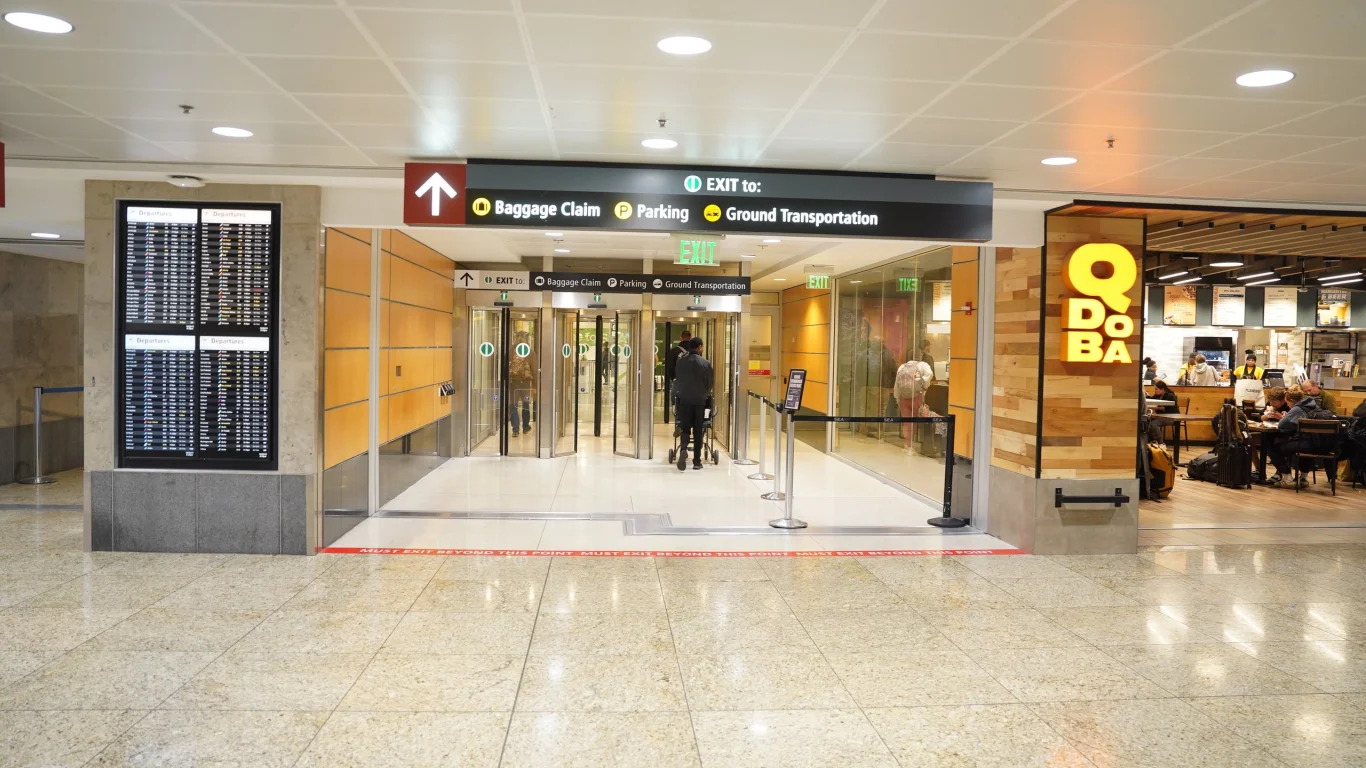
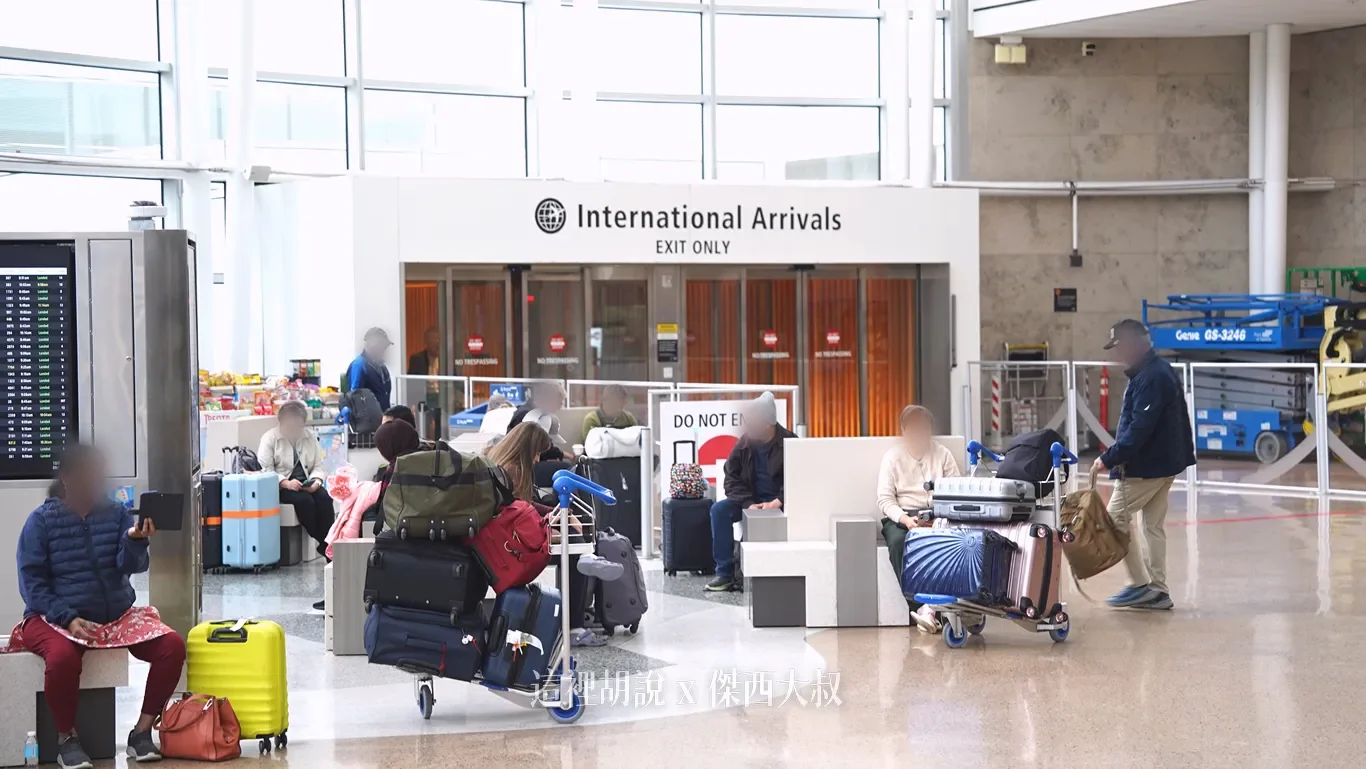
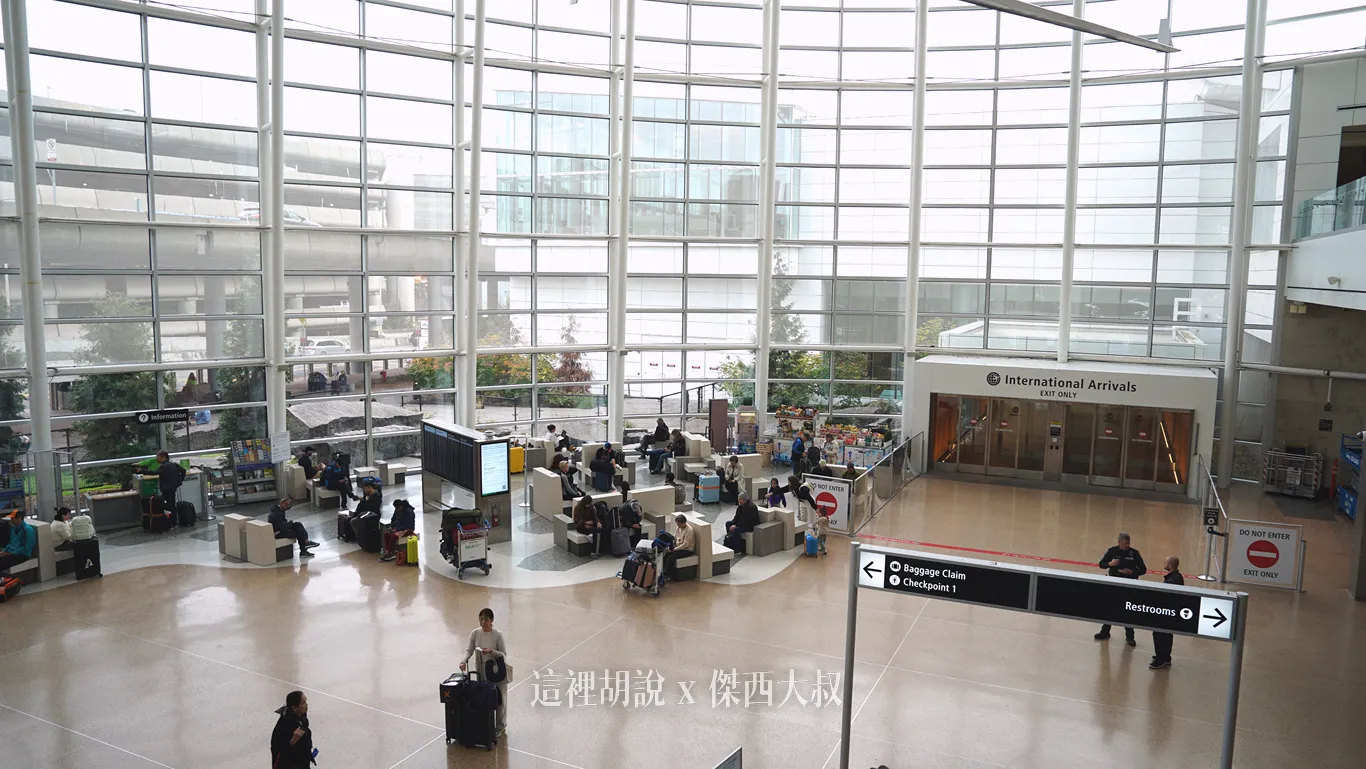
Taking the left-hand ramp leads directly toward the Seattle exit. Photo / Port of SeattleFollow the descending corridor to exit airside and officially enter the Pacific Northwest. Photo / Port of SeattleContinuing down the left channel brings you out into the landside international arrivals meet-and-greet area.The arrivals hall features comfortable seating where meeters, greeters, and travelers can rest.
Video Guide & Walkthrough
The original text of this article is in Chinese, translated and edited into English by AI. 本文の原文は中国語であり、AIによって日本語に翻訳・編集されています。